
Last updated September 24, 2026
Free written scope consultation - allowances, timeline, and change-order rules on paper before a single trade is scheduled



 Before
 After
After Before
 After
After Before
 After
AfterConstruction Permits, Codes & Inspections in CA: What You Need to Know
Unpermitted work in California isn’t just a code violation - it becomes a disclosed material defect at resale under California Civil Code Section 1102, and buyers’ lenders increasingly require unpermitted additions to be legalized or removed before funding. In Mission Viejo, we’ve seen homeowners lose six-figure sale prices over a patio cover that never got a permit, or an ADU that skipped the HOA architectural review. This guide separates what is state law from what is local policy so you know which rules are negotiable and which aren’t. We’ll cover the California Building Code inspection sequence, Mission Viejo’s specific fee schedule and HOA overlay, and the real cost of fixing unpermitted work after the fact.
Quick Answer
Most residential construction in California requires a permit when the project alters structure, plumbing, electrical, or mechanical systems, or when valuation exceeds $500. In Mission Viejo, the city adds its own fee schedule calculated on project valuation plus a separate plan check fee, and many neighborhoods face an additional HOA architectural review that operates independently of the city’s timeline. Permits expire after 180 days of inactivity, and unpermitted work must be disclosed on the Seller Property Questionnaire (CAR Form SPQ) when selling, with lenders often requiring retroactive legalization before closing.
Table of Contents
- Which Projects Trigger a Permit in Mission Viejo?
- Mission Viejo Permit Fees: How They’re Calculated
- The CBC Inspection Sequence for Residential Remodels
- When an Inspector Flags a Correction
- Legal Exposure: Buying or Selling with Unpermitted Work
- The HOA Review Layer in Mission Viejo
- Common Mistakes to Avoid
- When to Call a Professional
- Frequently Asked Questions
- The Bottom Line
 Before
 After
AfterWhich Projects Trigger a Permit in Mission Viejo?
California’s threshold for permits is lower than many homeowners assume. Under the California Building Code (CBC), any construction, alteration, or repair that costs more than $500 in labor and materials requires a permit. But Mission Viejo’s Community Development Department maintains its own trigger list, and several common projects catch homeowners by surprise.
Projects that always require a permit in Mission Viejo:
- Any structural modification, including removing or altering load-bearing walls
- Window and door replacement that changes the opening size or type - upgrading to impact-rated windows in Mission Viejo for wind resistance, for instance, requires approval even when dimensions stay the same if the performance rating changes
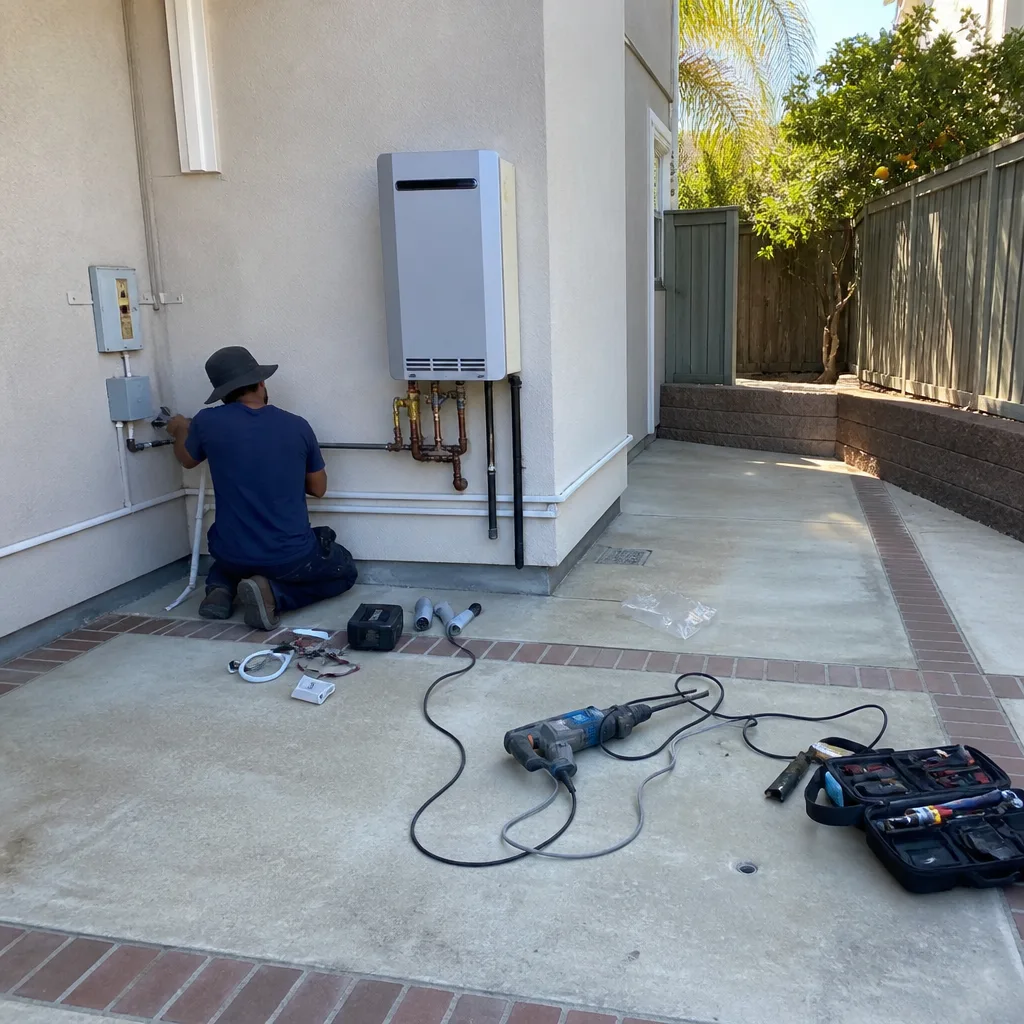
- Water heater replacement, including tankless conversions
- HVAC equipment replacement or ductwork modification
- Electrical panel upgrades or circuit additions
- Patio covers and pergolas over 120 square feet, or any size if attached to the structure
- Fences over 6 feet in height, or any height if concrete footings are required
- Retaining walls over 4 feet in height
- Driveway widening or replacement that alters drainage patterns
- Swimming pools and spas, including above-ground installations
Projects that typically do not require a permit:
- Cosmetic finishes: paint, flooring, cabinet refacing without plumbing or electrical changes
- Minor repairs under $500 valuation
- Detached storage sheds under 120 square feet (though setbacks and HOA rules still apply)
The $500 threshold is cumulative, not per-trade. A homeowner who spends $300 on electrical, $200 on plumbing, and $150 on drywall for a bathroom refresh in Mission Viejo has triggered the permit requirement even though no single trade crossed the line. We’ve reviewed competitor estimates where the contractor deliberately split the scope to stay under $500 per line item - that’s a red flag, and the city will reject the permit application when they discover it.
ADUs and home additions have additional triggers. In Mission Viejo, any detached dwelling unit requires full permitting through both the city and, in most neighborhoods, the homeowners association. The city’s ADU ordinance aligns with state law (SB 9, SB 10, and the HCD guidelines), but the design review process still applies. We’ve seen ADU permits in Mission Viejo take 14 to 18 weeks from submittal to issuance when the HOA review runs parallel to the city plan check.
Mission Viejo Permit Fees: How They’re Calculated
Mission Viejo calculates permit fees based on project valuation, not a flat rate per project type. The valuation is determined from the city’s fee schedule tables or from the contract price, whichever is higher. This matters because a lowball contract price won’t reduce your permit cost if the city’s table assigns a higher valuation.
Fee structure for typical residential projects in 2025:
| Project Type | Typical Valuation Range | Permit Fee (approx.) | Plan Check Fee | Total Permit Cost |
|---|---|---|---|---|
| Water heater replacement | $2,500 – $4,000 | $180 – $290 | $90 – $145 | $270 – $435 |
| Window replacement (full home, 10-15 units) | $15,000 – $35,000 | $520 – $1,210 | $260 – $605 | $780 – $1,815 |
| Kitchen remodel (no structural) | $25,000 – $60,000 | $850 – $2,040 | $425 – $1,020 | $1,275 – $3,060 |
| Bathroom remodel (full) | $20,000 – $45,000 | $680 – $1,530 | $340 – $765 | $1,020 – $2,295 |
| Room addition (400 sq ft) | $80,000 – $150,000 | $2,720 – $5,100 | $1,360 – $2,550 | $4,080 – $7,650 |
| ADU (detached, 600 sq ft) | $120,000 – $220,000 | $4,080 – $7,480 | $2,040 – $3,740 | $6,120 – $11,220 |
These figures include the base permit fee and plan check fee only. Additional fees may apply: school facility fees for additions over 500 square feet, parkland dedication fees, and drainage review fees for projects that alter site grading. The plan check fee is 50% of the permit fee and covers the city’s review of architectural, structural, and MEP (mechanical, electrical, plumbing) plans.
Under Clause 1 of the Haven Standard, Rowan Construction Group delivers a written price before any work starts, and that written price includes permit fees as a line item. We don’t estimate permit costs; we call the Community Development Department with the specific scope and get the current fee schedule. The quote you sign includes that number, not a placeholder.
For kitchen remodeling in Mission Viejo, permit fees typically run 3-5% of project cost. For a full home addition, the percentage drops to 2-4% because the valuation scale has diminishing increments at higher project values. The fee schedule is published by the city and updated annually, usually effective July 1.
The CBC Inspection Sequence for Residential Remodels
California Building Code Chapter 1 establishes the inspection sequence for residential construction, and Mission Viejo follows this sequence without significant local modification. The inspector signs off on specific documentation at each stage, and work cannot proceed to the next stage until that sign-off is recorded in the city’s permitting system.
Standard inspection sequence for a residential remodel in Mission Viejo:
- Foundation/Underfloor inspection: For projects involving new footings, slabs, or pier-and-post systems. The inspector verifies depth, rebar placement, concrete mix, and setback compliance. Documentation signed: Foundation Inspection Card (CBC 110.3.1).
- Framing inspection: Verifies structural members, connections, and hardware per engineered plans. For load-bearing wall removals, the inspector confirms beam sizing and bearing points. Documentation signed: Framing Inspection Card.
- Rough MEP (Mechanical, Electrical, Plumbing) inspection: All systems must be installed but not concealed. Gas lines are pressure-tested, electrical circuits are energized for testing, and plumbing drains are water-tested. Documentation signed: Rough MEP Inspection Card.
- Insulation inspection: Verifies R-values, vapor barrier placement, and fire-blocking at penetrations. California Title 24 energy compliance documentation is reviewed at this stage. Documentation signed: Insulation/ Energy Compliance Card.
- Wallboard/lath inspection: For projects with fire-rated assemblies or tile showers, the inspector verifies proper backing and fastening before finish materials cover the work. Documentation signed: Lath and Wallboard Inspection Card.
- Final inspection: All systems operational, all fixtures installed, all code-compliant. The inspector issues the Certificate of Occupancy or Completion, which closes the permit. Documentation signed: Final Inspection Card and Certificate of Completion.
For a typical kitchen remodel in Mission Viejo, the sequence compresses to rough MEP, insulation (if exterior walls are opened), and final. A bathroom remodel adds the wallboard/lath inspection if a tile shower or tub surround is involved. Full additions and ADUs run the complete sequence.
The documented photo record we provide at Rowan Construction Group captures each stage before the inspector arrives. Our crews photograph the rough MEP with all labels visible, the framing with hardware tags readable, and the insulation with R-value markings exposed. When the inspector requests clarification, we have dated evidence of what was installed. This isn’t an upgrade - it’s standard on every visit, under the Haven Standard.
Inspection scheduling in Mission Viejo operates through the city’s online portal or by phone. Same-day or next-day scheduling is typically available for active permits, though peak construction seasons (March through October) can stretch this to 48 hours. The inspector has a four-hour arrival window, and someone must be present to provide access.
When an Inspector Flags a Correction
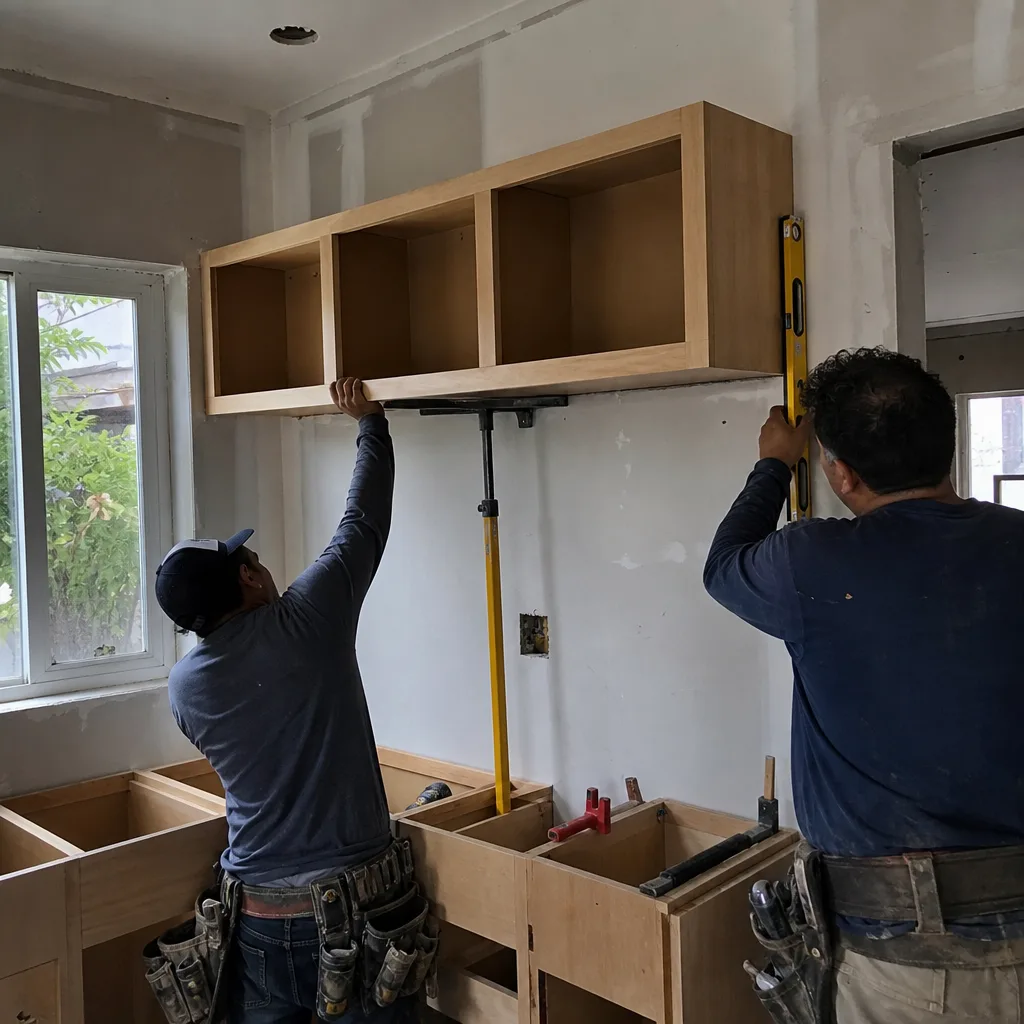
Not every inspection passes on the first attempt. When an inspector identifies a code violation or incomplete item, they issue a Correction Notice with specific CBC references and a re-inspection requirement. How you handle this determines whether your project stays on schedule or loses weeks.
The correction process in Mission Viejo:
- Receive the Correction Notice: The inspector documents each item with a CBC section reference and a brief description. The notice is posted to the online permit record and, for active projects, left on-site.
- Correct the deficiency: The contractor makes the required correction and documents the work. For structural corrections, revised plans may need to be submitted to the plan check desk before re-inspection.
- Schedule re-inspection: Mission Viejo charges a re-inspection fee of approximately $150-$250 per visit, depending on project type and inspector time. This fee is paid before the re-inspection is scheduled.
- Pass re-inspection: The inspector verifies corrections and signs off the stage. If additional items are found, a new Correction Notice is issued and the process repeats.
The 180-day permit expiration rule is where projects stall out. California law and Mission Viejo municipal code both state that a permit expires if work is not inspected and approved within 180 days of issuance, or if 180 days pass between inspections. This means a project that passes rough MEP but doesn’t schedule wallboard inspection within six months loses the permit entirely.
To extend a permit, the contractor or homeowner must submit a written extension request before expiration. Mission Viejo grants one 180-day extension per permit for projects with documented progress. The extension fee is 25% of the original permit fee. A second extension requires supervisory approval and is not guaranteed.
We’ve inherited projects in Mission Viejo where the previous contractor let the permit expire after passing rough inspection. The cost to reactivate: new permit application, new plan check (at full fee), and in some cases, removal of wallboard to expose framing and MEP for re-inspection. One project in the Aegean Hills neighborhood required $8,400 in re-work because the insulation inspection had been skipped two years prior and the new buyer’s lender demanded permit closure.
Under the Haven Standard, our project managers track inspection deadlines as rigorously as payment milestones. The 180-day clock is visible in our scheduling system, and we book inspections before the previous one is complete. No permit expires on our watch.
Legal Exposure: Buying or Selling with Unpermitted Work
This is where the abstract risk of code violations becomes concrete financial exposure. California’s disclosure requirements for residential sales are among the strictest in the country, and unpermitted work sits at the center of an increasing number of failed transactions.
Disclosure requirements:
The California Association of Realtors Seller Property Questionnaire (CAR Form SPQ), used in virtually every residential sale in Mission Viejo, asks specifically: “Have any structures or other features on the property been altered, added to, or built without required permits?” A “yes” answer triggers lender scrutiny. A “no” answer when unpermitted work exists exposes the seller to fraud claims and rescission rights for the buyer.
Lender treatment:
Conventional lenders (Fannie Mae, Freddie Mac, FHA, VA) require all improvements to be permitted and code-compliant. When an appraisal identifies unpermitted square footage - common in Mission Viejo’s older neighborhoods like Pacific Hills and Canyon Crest, where 1980s patio enclosures and garage conversions were often built without permits - the lender typically requires one of three resolutions:
- Retroactive permit legalization (a “permit pull”) with full inspection sequence
- Removal of the unpermitted structure or conversion
- Reduction of the appraised value to exclude unpermitted square footage, often killing the loan-to-ratio
Cost of retroactive legalization:
The permit pull process in Mission Viejo requires as-built plans, structural engineering review if load-bearing elements are involved, and inspection of elements that are now concealed behind finishes. Typical costs in 2025:
- Simple patio cover or pergola: $2,500 – $5,000 (plans, permit, exposure for inspection, finishes repair)
- Garage conversion: $8,000 – $18,000 (structural engineering, MEP exposure, energy compliance upgrade, re-insulation)
- Room addition: $15,000 – $35,000 (full as-built documentation, potential foundation verification, complete re-inspection sequence)
- ADU: $20,000 – $50,000 (separate utility requirements, fire separation, full code compliance to current CBC)
These figures assume the work was built to code standards even without permits. Substandard work - ungrounded outlets, unvented gas lines, inadequate headers - triggers full remediation costs that can approach the original construction price. We’ve reviewed permit pull projects in Mission Viejo where the as-built conditions required complete gutting of a “finished” garage conversion because the electrical was romex run through drywall with no junction boxes.
For buyers, the due diligence period should include a permit history search through the city’s online records. For sellers, proactive legalization before listing eliminates the transaction risk and typically returns 60-80% of the legalization cost in sale price. Under the Haven Standard, we provide permit history research as part of our pre-listing inspection service for homeowners preparing to sell.
The HOA Review Layer in Mission Viejo
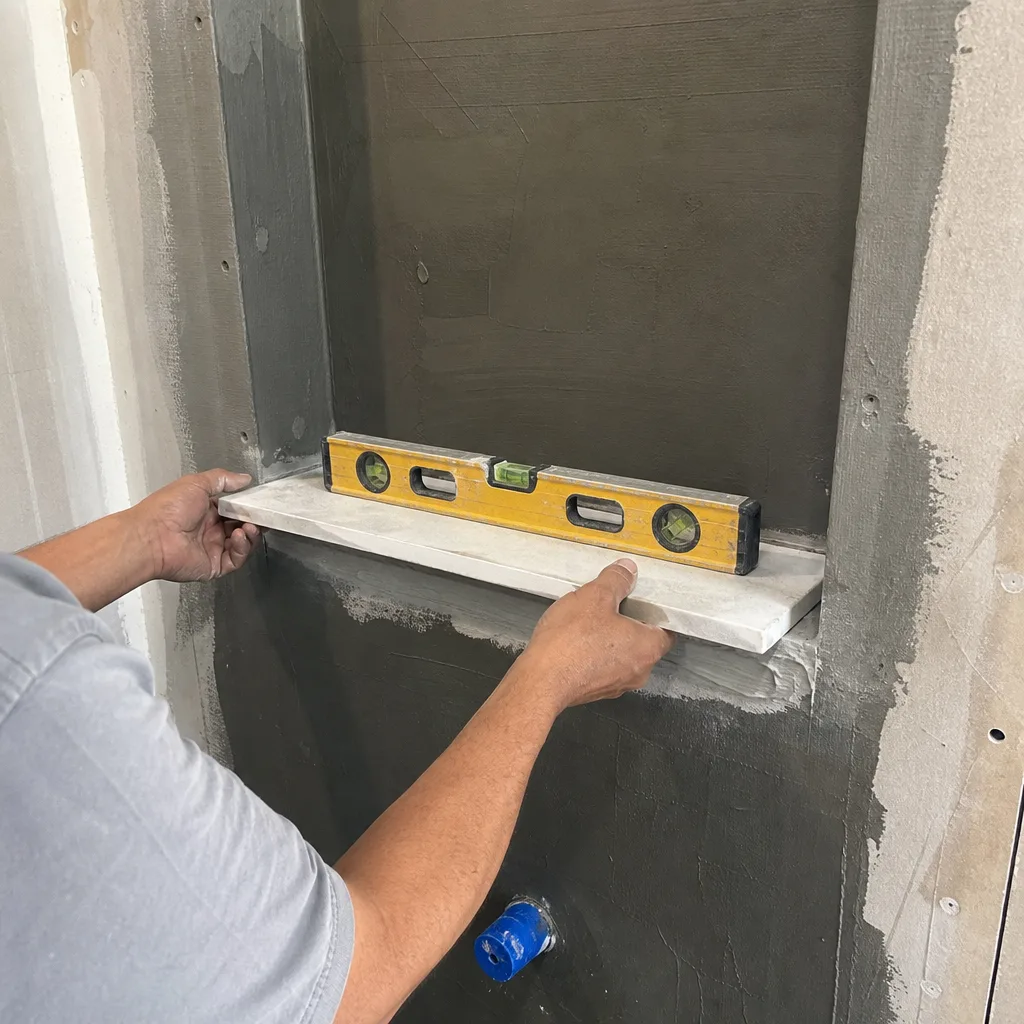
Mission Viejo’s distinctive feature, and the one most state-level guides miss entirely, is the homeowners association overlay. The city was master-planned with extensive HOA governance, and most residential neighborhoods operate under CC&Rs (Covenants, Conditions, and Restrictions) that impose a second, parallel approval process.
How the dual review works:
The city’s permit process governs code compliance - structural safety, fire protection, energy efficiency, accessibility. The HOA architectural review governs aesthetics - paint colors, roofing materials, window styles, fence designs, landscaping, and in some associations, the visibility of mechanical equipment. These operate on separate clocks with separate requirements.
In the Mission Viejo Company’s original tracts (much of the city east of the lake), the HOA architectural committee meets monthly with submission deadlines two weeks prior. Approval is not guaranteed; we’ve seen window replacement projects denied because the proposed vinyl frame color didn’t match the association’s approved palette, even though the identical window with a different frame color had been approved on the same street. Brands like PGT and CGI offer multiple frame colors specifically to navigate these requirements - we verify the HOA palette before quoting.
Practical timeline impact:
A roofing replacement in Mission Viejo with full HOA and city permitting typically runs:
- HOA architectural application: 2-4 weeks for committee review
- City permit application (with HOA approval letter): 1-2 weeks for issuance if no plan check required
- Total pre-construction: 3-6 weeks
Starting city permitting before HOA approval is possible but risky. If the HOA denies the material or color selection, the city permit must be amended or re-issued. We sequence HOA first, city second, on every project in a governed neighborhood.
Some HOAs in Mission Viejo also require post-completion inspection and deposit return processes. The Lake Mission Viejo association, for properties with lake rights, requires a final walk-through to verify that no common area was disturbed during construction. Violations can forfeit the construction deposit and trigger additional fines.
The climate consideration specific to Mission Viejo: HOA architectural guidelines often restrict roofing materials and window types that would otherwise be optimal for the marine-influenced climate with occasional Santa Ana wind exposure. We’ve successfully petitioned associations to approve impact-rated windows and higher-wind-rated roofing when we document the structural benefit with engineering letters. The Haven Standard includes this advocacy as part of our permit coordination - not an add-on service.
Common Mistakes to Avoid
- Assuming the contractor handles all permits. In California, the property owner is ultimately responsible for permit compliance. Verify your contractor’s license status through CSLB, confirm they’ll pull permits in writing, and request copies of all inspection sign-offs. We’ve taken over projects where the previous “contractor” was unlicensed and left the homeowner with an open permit and expired inspection deadlines.
- Skipping HOA review for “cosmetic” projects. Many Mission Viejo HOAs define “cosmetic” more narrowly than homeowners expect. Window replacement, exterior paint color changes, and even front door styles often require pre-approval. Starting work without it can trigger stop-work orders and fines that exceed the project cost.
- Undervaluing the project on permit application. Mission Viejo’s Community Development Department cross-references permit valuations against contractor license data and comparable projects. Undervaluation triggers audit, permit hold, and potential penalties. The written quote we provide under the Haven Standard uses actual material and labor costs - the same number on the permit application.
- Letting inspections lapse past 180 days. Life happens, projects pause, but the permit clock doesn’t stop. Set calendar reminders at 150 days, or work with a contractor who tracks this automatically. Our project management system flags permits at 120 days with an escalation at 150.
- Buying a home without permit history verification. The SPQ disclosure relies on seller knowledge, which may be incomplete for inherited properties or long-term rentals. A $50 permit history search through Mission Viejo’s online system can reveal unpermitted additions, expired permits, or open correction notices that the seller genuinely didn’t know about.
- Assuming unpermitted work “grandfathers” with the property. California has no statutory grandfathering for unpermitted residential construction. The work is non-compliant when built and remains non-compliant until legalized. The only question is who bears the cost: the owner who built it, or the owner who discovers it at sale.
- Using online permit calculators without local verification. State-level fee estimators can be off by 40% or more for specific jurisdictions. Mission Viejo’s fee schedule includes city-specific surcharges and supplemental fees that generic calculators don’t capture. We call the city with your specific scope for the exact number.
When to Call a Professional
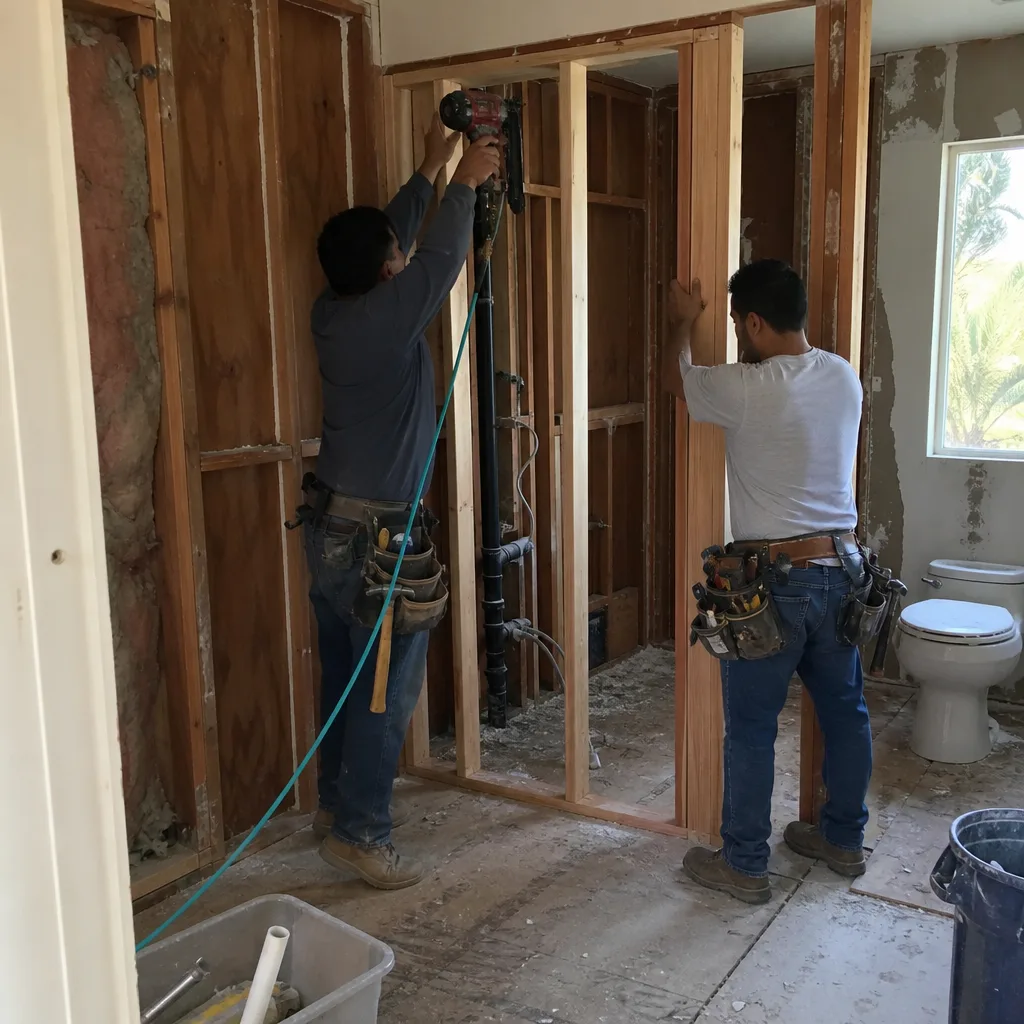
Permit strategy isn’t a DIY project. The intersection of CBC requirements, local fee schedules, HOA overlays, and resale disclosure law creates complexity that rewards specialized experience. Call a licensed contractor when your project involves structural modification, MEP systems, or any work that will be concealed behind finishes - which is to say, most projects that justify professional construction.
Rowan Construction Group Mission Viejo offers free estimates in Mission Viejo - call (657) 297-4635. Under Clause 1 of the Haven Standard, your written price includes permit fees as a verified line item, not an estimate. We pull permits, sequence inspections, coordinate HOA review, and deliver the documented photo record that proves what was done. Since 2007, we’ve delivered 4,000-plus projects with that discipline, every one within a few percent of the agreed price.
Frequently Asked Questions
Building permit costs in Mission Viejo are calculated as a percentage of project valuation, plus a plan check fee equal to 50% of the permit fee. A typical kitchen remodel permit runs $1,275-$3,060 total, while an ADU permit ranges from $6,120-$11,220 depending on size and finishes. Call (657) 297-4635 for an exact quote on your specific scope - estimates are free.
Under the Haven Standard, no work proceeds on a change until the change order is signed. The written price you receive before work starts is a flat price with a written scope. If you request changes during construction, we document the cost impact and require your signature before any additional work begins. This discipline has kept our projects within a few percent of the agreed price across 4,000-plus jobs since 2007.
Rowan Construction Group pulls all required permits as part of our standard project management. We handle the application, plan check submission, inspection scheduling, and correction resolution. You receive copies of every inspection sign-off and the final Certificate of Completion. This is included in our project coordination, not billed separately.
Simple permits (water heater, window replacement) typically issue in 1-2 weeks. Projects requiring plan check (kitchen remodel, addition, ADU) take 4-8 weeks for city review, plus 2-4 weeks for HOA architectural review in governed neighborhoods. Total timeline from signed contract to first inspection is typically 6-12 weeks for major remodels in Mission Viejo.
You inherit the compliance obligation. If the unpermitted work is discovered during your ownership - through renovation, insurance claim, or future sale - you are responsible for legalization or removal costs. Before purchasing, verify permit history through the city’s online system and budget $2,500-$50,000 for potential legalization depending on project type. We offer permit history review as part of our pre-purchase inspection service.
Homeowners can pull permits for their own property, but the work must meet current CBC standards and pass all inspections. For concealed work (electrical, plumbing, structural), this typically requires opening walls, removing finishes, and potentially upgrading systems to current code. Most homeowners find that a licensed contractor’s expertise in sequencing the inspection process and documenting compliance saves money and time compared to self-managed legalization. Call (657) 297-4635 to discuss your specific situation - estimates are free.
The Bottom Line
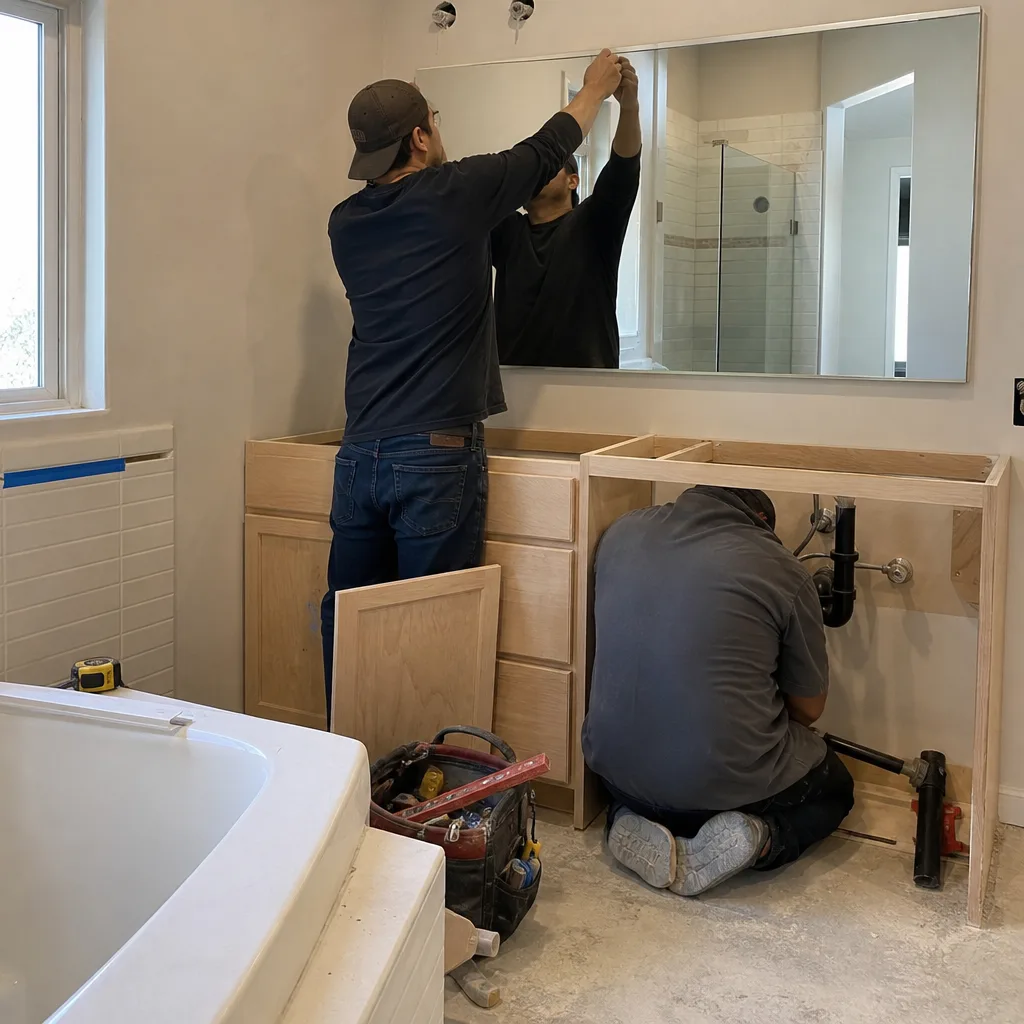
California’s construction permit system is navigable when you separate state requirements from local policy. The CBC provides the structural, safety, and energy standards; Mission Viejo adds its fee schedule, inspection logistics, and the HOA overlay that affects most residential projects. Unpermitted work carries disclosure obligations at sale and lender-mandated legalization costs that dwarf original permit fees. The homeowners who fare best are those who verify permit requirements before starting, track inspection deadlines during construction, and document compliance with the same rigor they’d apply to financial records. At Rowan Construction Group, that documentation - written price, signed change orders, photo records, inspection sign-offs - is the product we deliver, not a process we mention.
Written by Grant Rowan, Owner at Rowan Construction Group Mission Viejo, serving Mission Viejo since 2007.