
Last updated September 24, 2026
Free written scope consultation - allowances, timeline, and change-order rules on paper before a single trade is scheduled


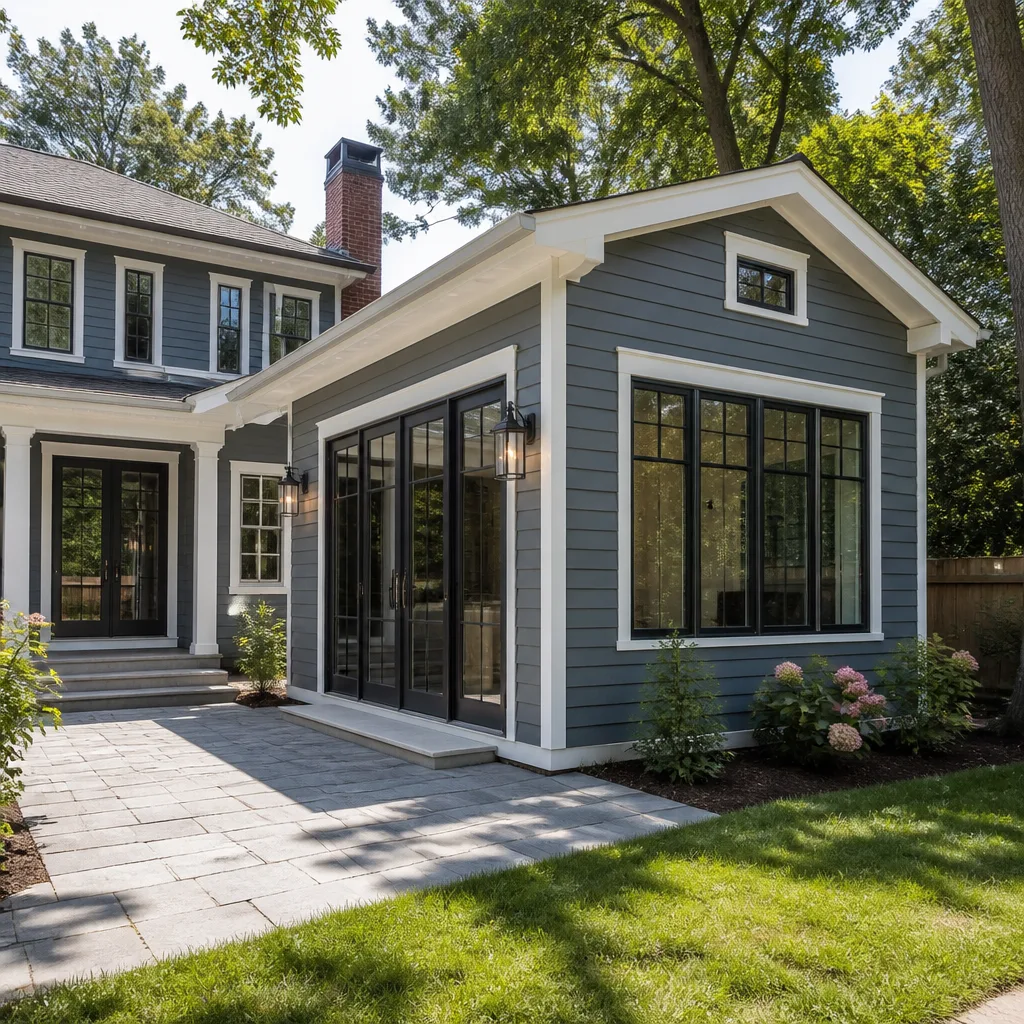




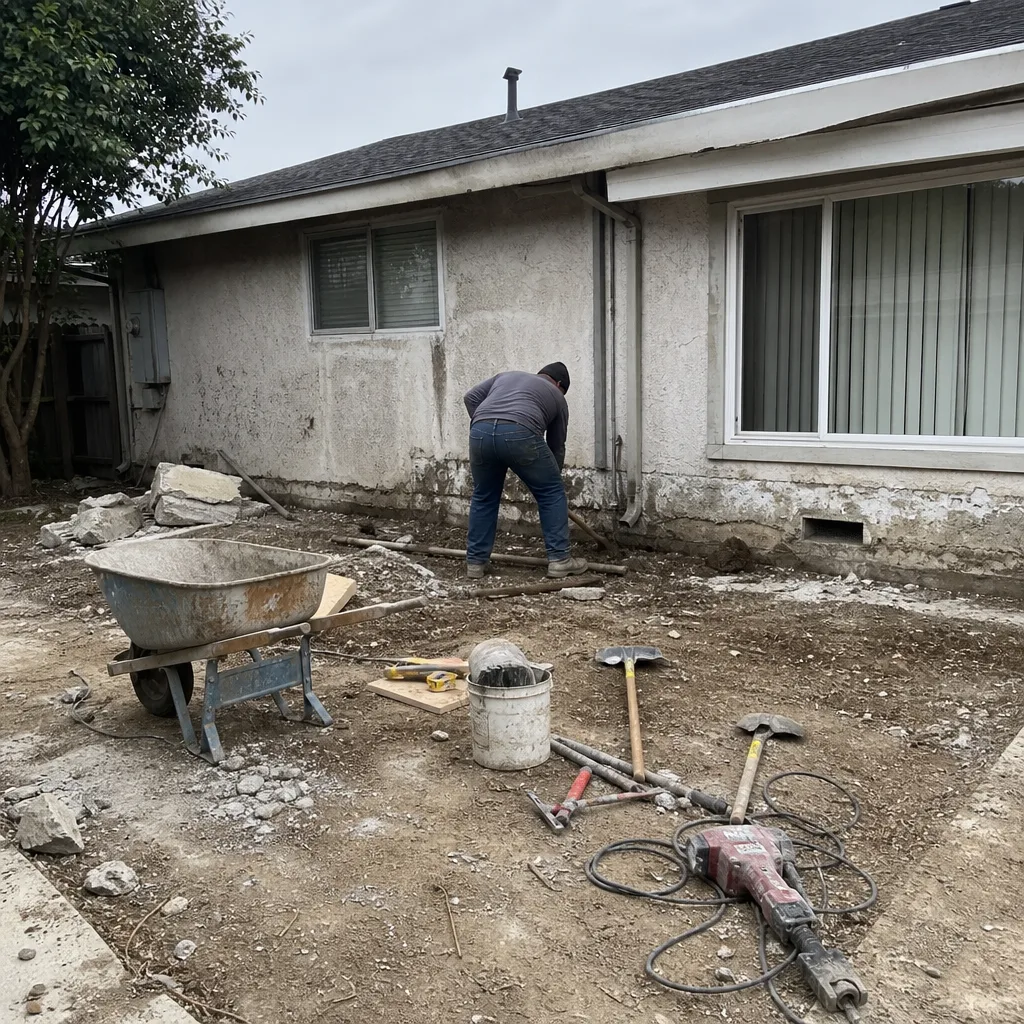 Before
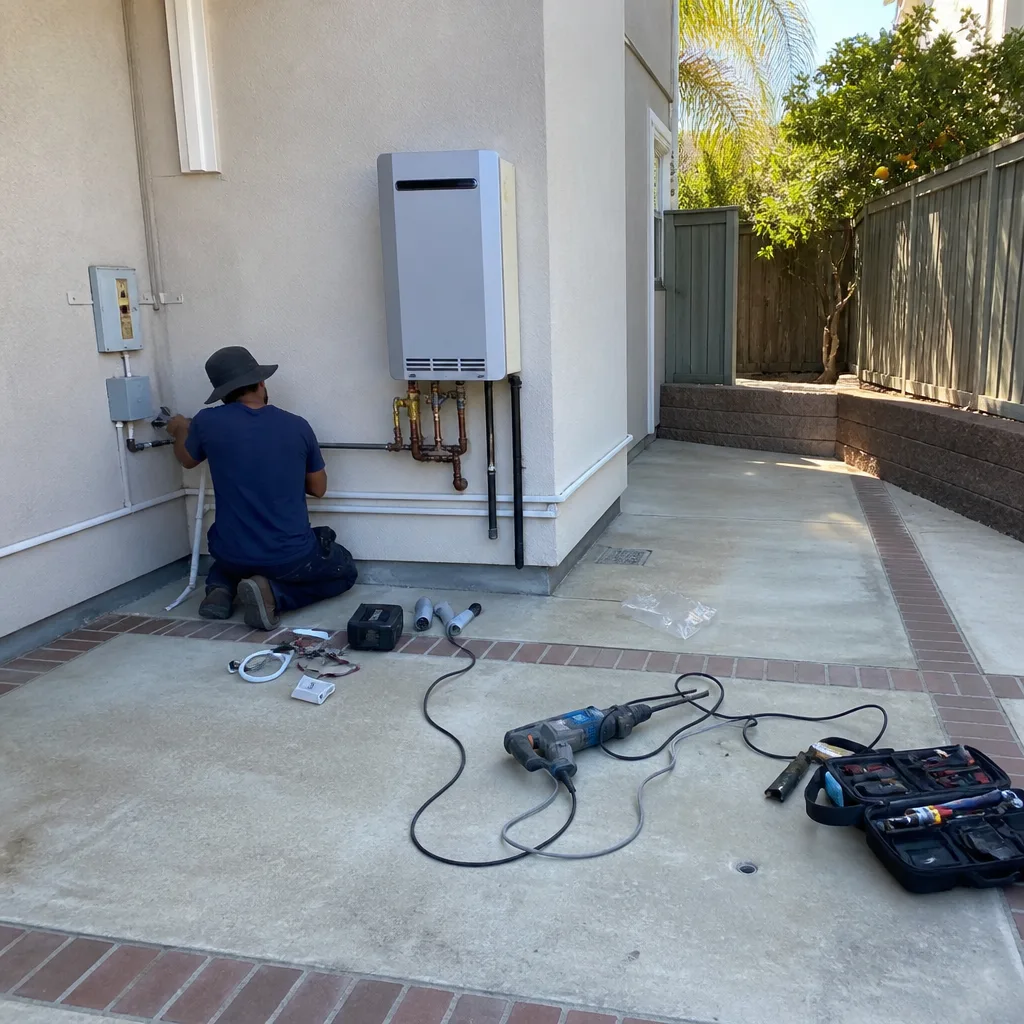 After
After Before
 After
After Before
 After
AfterHow to Hire a Construction Contractor in Mission Viejo: A Step-by-Step Guide
A $48,000 kitchen remodel bid and a $61,000 bid for the same project aren’t necessarily far apart. If the $48,000 bid excludes permit fees, demo disposal, and appliance installation that the $61,000 bid prices in, the real gap may be under $4,000. In Mission Viejo, where the median home value sits well above the state average and most residential construction involves a city permit through Mission Viejo’s Building Division, the difference between a low bid and a complete bid often determines whether a project finishes on budget or spirals into disputes. This Complete Guide to Construction in Mission Viejo teaches scope comparison as the central skill, because getting three bids means nothing if the bids don’t describe the same work.
Quick Answer
Hiring a construction contractor in Mission Viejo requires verifying an active CSLB license and $25,000 bond at license.ca.gov, requiring a written scope-of-work document before soliciting bids so all contractors price identical tasks, and comparing line-item exclusions rather than bottom-line totals. The lowest bid often reflects the most missing items, not the best value. A legitimate contractor provides a written price before work starts, pulls city permits, and never proceeds on verbal change authorizations.
Table of Contents
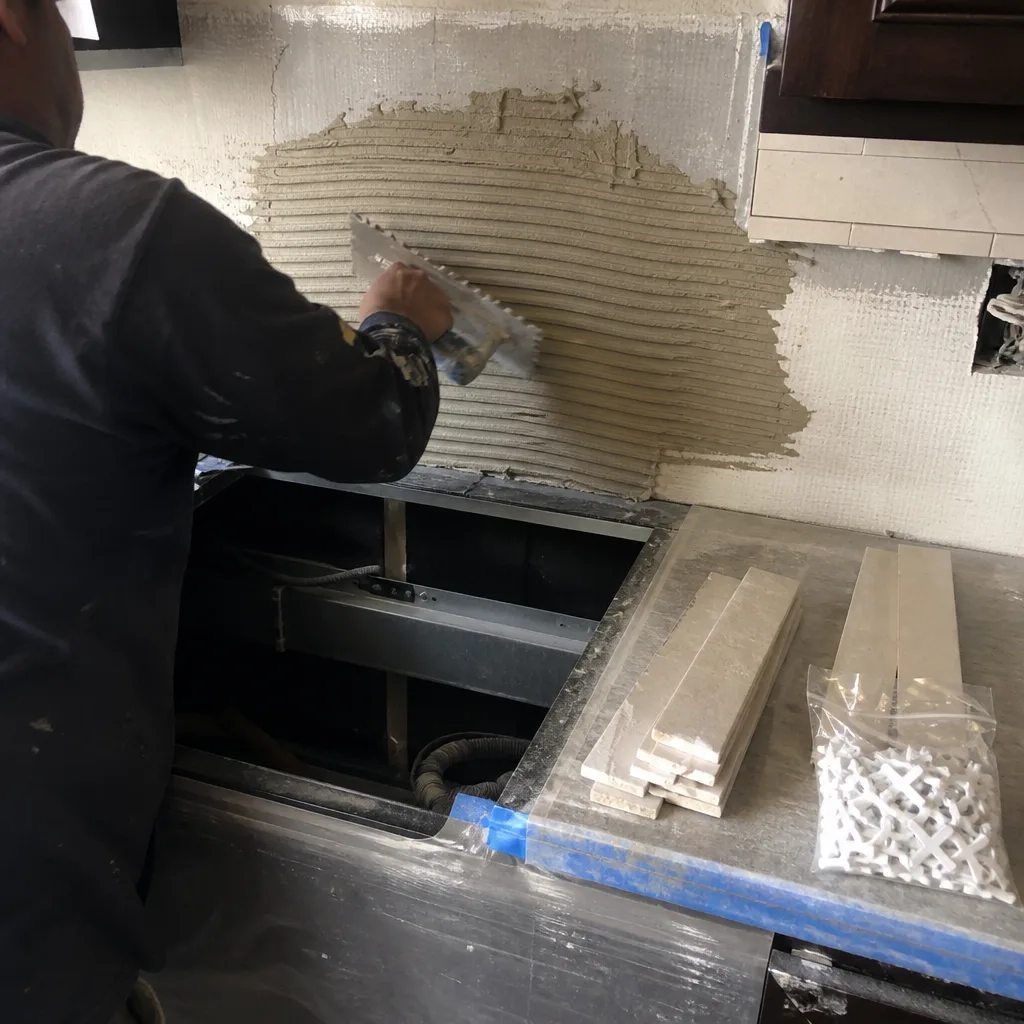
- Build Your Scope-of-Work Document First
- How to Verify a California Contractor License in Five Minutes
- How to Read and Compare Construction Bids
- Reading Insurance Certificates: What Homeowners Miss
- Contract Red Flags and Change Order Protocols
- Mission Viejo Permits, Codes, and Climate Considerations
- Legal Payment Schedules and California Deposit Law
- Making the Final Selection
 Before
 After
AfterBuild Your Scope-of-Work Document First
Most homeowners in Mission Viejo skip this step. They describe their project to three contractors, receive three different interpretations, and wonder why the bids range by 40%. The fix is simple: write the scope before anyone visits.
A scope-of-work document is a homeowner-created list of every task, material specification, and site condition that affects price. It forces you to decide what you want before contractors tell you what they think you want. It also eliminates the common scenario where Contractor A prices custom KraftMaid cabinets while Contractor B prices stock boxes from a big-box store, and Contractor C forgets cabinets entirely because “you said you were handling finishes yourself.”
Here’s a line-item template covering the seven major trade categories. Use it as a checklist, then attach it to every bid request:
Kitchen Remodeling Scope Items
- Demolition and disposal of existing cabinets, countertops, appliances, flooring, and fixtures (specify whether homeowner retains any items)
- Electrical: panel upgrade required? (Mission Viejo homes built 1965-1985 often have 100-amp panels; modern kitchens need 200-amp)
- Plumbing: relocate sink, dishwasher, or gas line? (gas line relocation requires a separate permit and inspection)
- Cabinetry: brand, door style, finish, hardware, and whether installation includes leveling on older slab foundations
- Countertops: material, edge profile, sink cutout type, and backsplash height
- Appliances: who delivers, installs, and connects? (Some contractors exclude appliance installation entirely)
- Permit fees and inspection scheduling
Bathroom Remodeling Scope Items
- Demolition and disposal, including whether tub/shower surround removal includes adjacent drywall
- Waterproofing: membrane type (liquid-applied vs. sheet membrane) and flood test duration
- Tile: floor and wall, including niche, bench, and curb specifications
- Fixture rough-in and finish: valve brand, trim model, toilet rough-in distance from wall
- Ventilation: existing fan CFM rating vs. code minimum for room volume
Roofing Scope Items
- Tear-off layers: how many existing shingle layers? (California code allows maximum two; some Mission Viejo tract homes from the 1970s have two already)
- Deck condition assessment and replacement specification for rotted sheathing
- Underlayment: felt vs. synthetic, ice barrier requirements (not typically needed in Mission Viejo’s climate, but specified in some manufacturer warranties)
- Shingle brand and line: Owens Corning Duration, CertainTeed Landmark, IKO Cambridge, or Atlas StormMaster Slate
- Flashing replacement: valley, chimney, vent pipe, and wall abutment
- Warranty: workmanship term and what triggers coverage vs. manufacturer material-only coverage
Windows and Doors Scope Items
- Quantity, rough opening dimensions, and whether replacement is insert-style or full-frame
- Frame material: vinyl, fiberglass, or aluminum-clad wood
- Glass package: dual-pane, low-E coating, argon fill, and NFRC ratings for U-factor and SHGC
- Interior and exterior trim: replacement, repair, or homeowner responsibility
- Stucco or siding repair after window removal
Fence Installation Scope Items
- Property line verification and survey responsibility
- Post depth and concrete specification (typically 24-30 inches in Mission Viejo’s clay-heavy soil)
- Gate hardware: hinge weight rating and latch type
- Finish: natural, stained, or painted; who applies and when
Driveway and Pavers Scope Items
- Excavation depth and base material: Class II road base vs. recycled concrete
- Edge restraint type: concrete haunch, plastic edging, or aluminum
- Drainage: slope direction and whether channel drains are needed (critical in Mission Viejo’s hillside neighborhoods like Pacific Hills)
- Joint sand: polymeric vs. standard, and sealing schedule
- Brand specification: Belgard, Techo-Bloc, or comparable
Home Additions and ADU Scope Items
- Foundation type: slab-on-grade, raised floor, or pier (Mission Viejo’s hillside zones may require engineered foundations)
- Framing: lumber species and grade, or steel if specified
- Roof tie-in: how new roof integrates with existing fascia, soffit, and gutter line
- Utility extension: electrical panel capacity, gas meter sizing, sewer lateral capacity
- Fire separation: one-hour rated assembly for ADUs per California Building Code
- Off-street parking replacement if garage conversion
At Rowan Construction Group Mission Viejo, we require homeowners to complete a scope worksheet before we deliver a written price. Under Clause 1 of the Haven Standard, the price is written before anyone starts, and that price depends on a scope that both parties have reviewed. We’ve found that homeowners who complete this step receive bids that cluster within 8-12% of each other, not 40%.
How to Verify a California Contractor License in Five Minutes
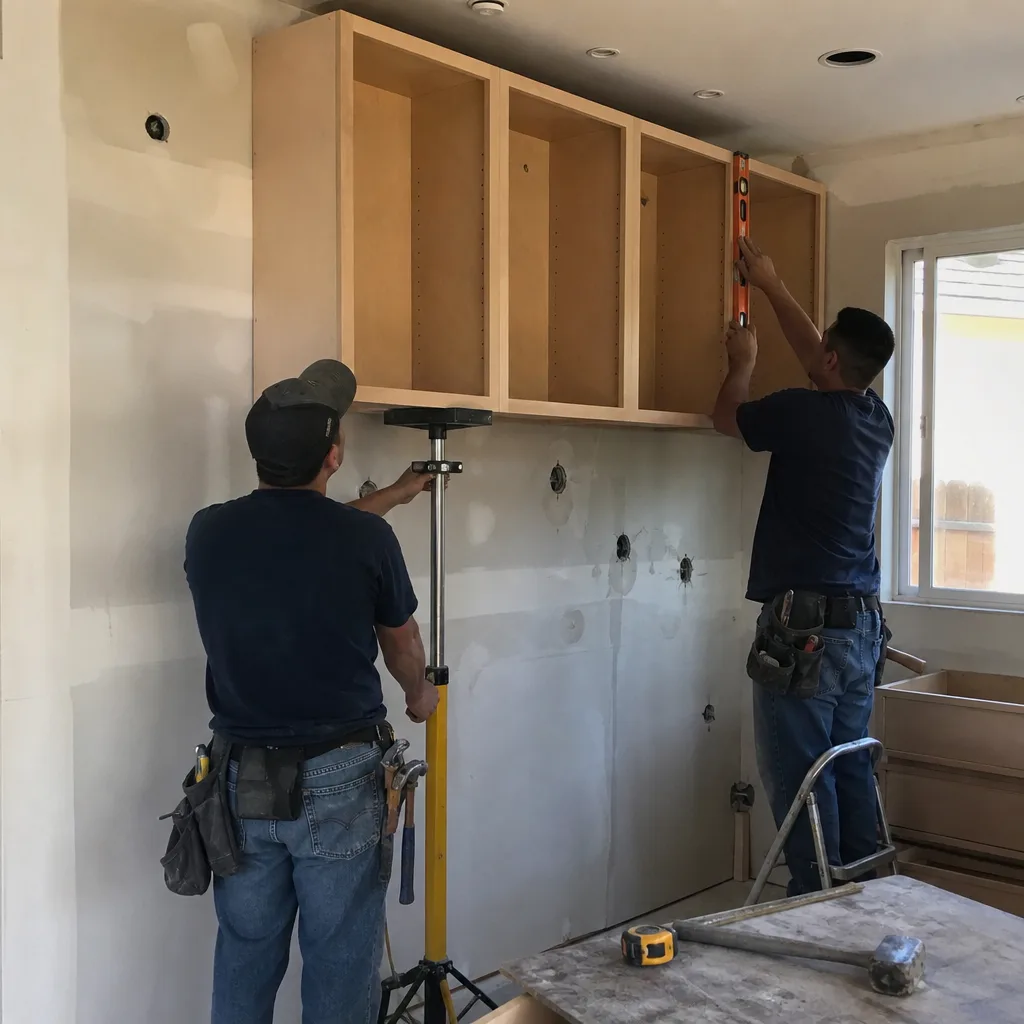
Every contractor performing work over $500 in California must hold a CSLB license. Verification takes less time than reading three Yelp reviews, and it tells you more.
- Navigate to license.ca.gov and select “Check License.”
- Enter the business name or six- or seven-digit license number.
- Confirm the status reads “Active” - not “Inactive,” “Suspended,” or “Revoked.”
- Verify the bond amount: $25,000 is the current minimum. The bond protects you if the contractor abandons the job or damages your property and cannot pay.
- Check workers’ compensation coverage: if the contractor has employees, this is mandatory. If the status shows “Exempt,” the contractor claims to have no employees; verify this by asking who will be on-site.
- Review the “Disciplinary Actions” section for past violations or suspensions.
License classifications matter. A B-General Building Contractor can oversee projects involving two or more unrelated trades, which covers most kitchen and bathroom remodels, additions, and ADUs. A C-36 Plumbing Contractor can perform plumbing only; a C-10 Electrical Contractor, electrical only. For a kitchen remodel requiring plumbing, electrical, and carpentry, a B license is appropriate, though subcontractors with C licenses may perform specific trade work under the B contractor’s supervision.
In Mission Viejo, we’ve encountered homeowners who hired an unlicensed handyman for a $15,000 bathroom remodel, then discovered the work failed inspection and the handyman had disappeared. The CSLB’s complaint process works, but prevention is faster. We publish our license number on every page because it’s the first thing a careful homeowner should check.
How to Read and Compare Construction Bids
Once you have three bids based on your scope document, the comparison work begins. Most homeowners stare at the bottom line. The effective homeowner works through the line items, looking for what’s included, what’s excluded, and what’s ambiguous.
Start with a comparison table. List each scope item down the left column, each contractor across the top. Mark “Included,” “Excluded,” or “Unclear” for every cell. An “Unclear” mark means you email the contractor for clarification before any decision.
Common exclusion categories that distort apparent price:
- Permit and inspection fees: In Mission Viejo, building permit fees are calculated per valuation. A $50,000 kitchen addition permit runs roughly $800-$1,200. Some contractors absorb this; others pass it through; others omit it entirely.
- Demolition and disposal: Weight-based dump fees at Prima Deshecha Landfill vary by material. Concrete and tile cost more per ton than wood. A contractor who prices “demo included” without specifying disposal may intend to bill separately.
- Temporary facilities: Porta-potty, temporary power, dust containment. Essential for occupied homes, often unpriced.
- Finish materials: Tile, fixtures, paint. The allowance line item is where contractors hide uncertainty, and where homeowners overspend.
Allowances deserve special attention. An allowance is a placeholder dollar amount for materials the homeowner will select later. A $3,000 tile allowance sounds generous until you visit the showroom and discover your selection costs $6,000 installed. The honest contractor specifies the allowance as “not-to-exceed” or notes that overages are homeowner responsibility. The problematic contractor leaves the allowance undefined, then presents a change order mid-project.
At Rowan Construction Group Mission Viejo, our written quotes specify brand and line for every material we source, from KraftMaid cabinets to Owens Corning shingles. Where the homeowner selects finishes, we note the allowance as “selection required; overage billed at cost plus 15% handling, with written approval before ordering.” That last clause matters. Under the Haven Standard, no change proceeds without a signed change order, so a verbal “that tile looks nice” in the showroom doesn’t become a $3,000 surprise.
Reading Insurance Certificates: What Homeowners Miss
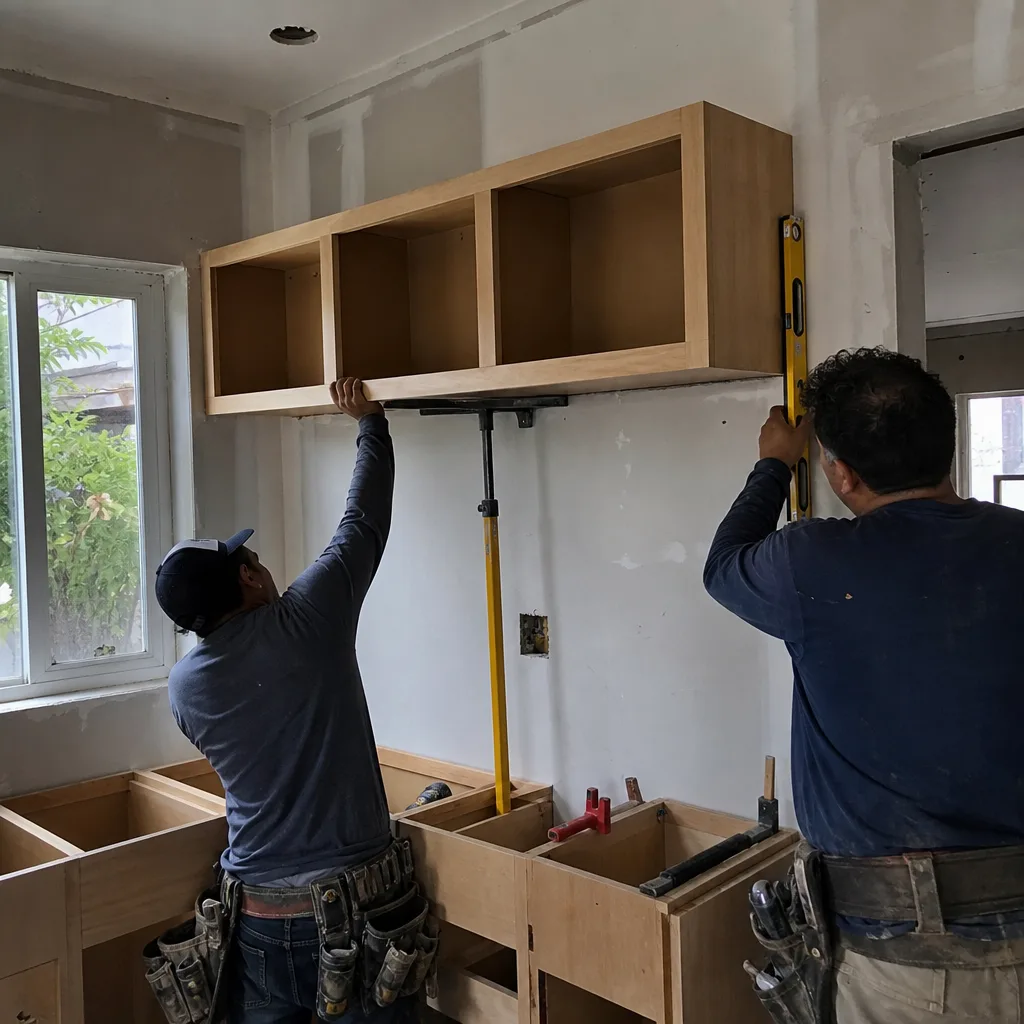
Every legitimate contractor carries general liability insurance and workers’ compensation if they have employees. The certificate of insurance (COI) proves this, but most homeowners file it unread.
Request the COI directly from the contractor’s insurance agent, not from the contractor. This prevents alteration. Verify four elements:
- Policy effective dates: The certificate should cover the project period. A certificate dated more than 30 days before contract signing should be re-requested; policies lapse, and contractors sometimes present expired documentation.
- General liability limits: Common minimums are $1 million per occurrence and $2 million aggregate. For projects over $100,000, consider requiring higher limits or an umbrella policy.
- Additional insured endorsement: Ask to be named as “additional insured” on the general liability policy. This means their insurer defends you if you’re sued for their negligence, and it costs the contractor nothing to add.
- Workers’ compensation: If the contractor has employees and lacks this coverage, you may become the employer of record if a worker is injured on your property. In California, this exposure is severe.
The COI should list the contractor’s legal business name, match the CSLB license name, and show the insurance carrier’s direct contact information. Red flags include certificates from surplus lines carriers without A.M. Best ratings, or certificates where the named insured differs from the contracting party.
We’ve carried general liability and workers’ compensation without lapse since 2007. Our COIs are available on request, and we automatically name homeowners as additional insured upon contract execution. It’s not a favor; it’s the minimum standard for entering someone’s home with power tools.
Contract Red Flags and Change Order Protocols
The contract is where verbal promises go to die or to live. In California, home improvement contracts over $500 must be in writing, must include the contractor’s license number, and must specify start and completion dates. Beyond these legal minimums, certain clauses separate disciplined contractors from risky ones.
The Change Order Clause
This is the clause that determines whether your project finishes within budget. A proper change order clause requires:
- Written description of the changed work
- Price of the change, with material and labor broken out or stated as a flat sum
- Impact on project schedule, if any
- Signature of both contractor and homeowner before work proceeds
Verbal authorizations are unenforceable in practice. The homeowner says “go ahead” in a hallway conversation, the contractor proceeds, and later the homeowner disputes the price. Without a signed document, both parties lose. Our Haven Standard requires a signed change order for any work outside the written scope, including work the homeowner requests and work we discover is necessary. In 4,000-plus projects, this discipline has kept final invoices within a few percent of the original written price.
Other Critical Clauses
- Mechanics’ lien warning: California requires this notice. It explains that suppliers and subcontractors can lien your property if unpaid by the contractor. A contractor who omits this is violating state law.
- Right to rescind: Three business days for most home improvement contracts, longer if the contract was signed in the home. The contractor must provide two copies of the rescission notice.
- Warranty: Specify duration, coverage (workmanship vs. materials), and process for claims. Our 365-Day Done Right Promise is printed on every page, backed by a terms page, not an asterisk.
- Dispute resolution: Mediation before litigation saves both parties money. Specify who pays mediation costs.
Red Flag Language
- “As needed” without a not-to-exceed figure
- “Time and materials” without a ceiling price
- “Contractor reserves right to adjust price for unforeseen conditions” without defining what conditions trigger adjustment and how price is calculated
- Payment schedule front-loaded beyond California’s legal limit
Mission Viejo Permits, Codes, and Climate Considerations
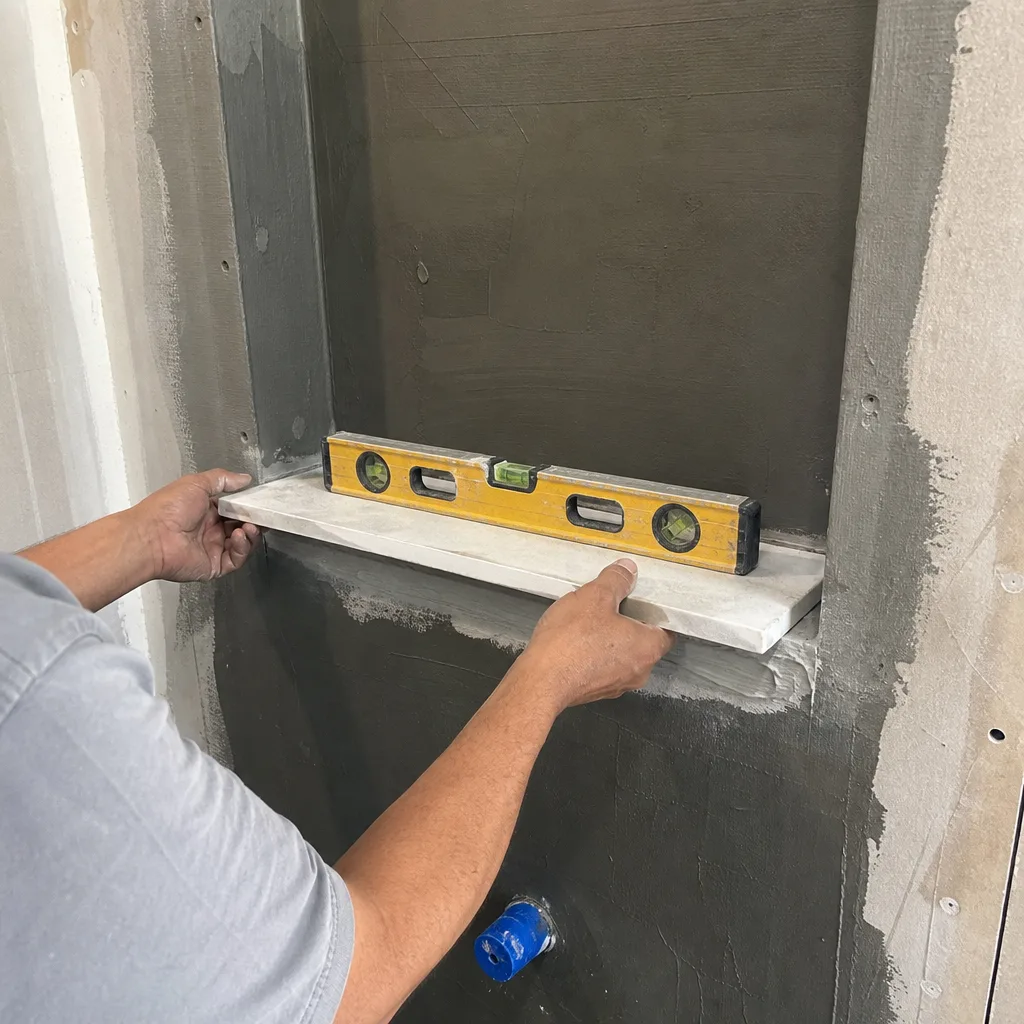
Mission Viejo’s Building Division operates under the California Building Code with local amendments. Most residential construction requires permits, and the city enforces this actively in part because unpermitted work affects property tax assessments and resale disclosures.
Permit requirements by project type:
- Kitchen and bathroom remodels: Required if walls move, plumbing or electrical changes, or if the project value exceeds $500. Cosmetic updates (cabinets, countertops, flooring without subfloor changes) may not require permits.
- Roofing: Required for complete tear-off and replacement. Not required for minor repairs under 100 square feet.
- Windows and doors: Required if opening dimensions change. Like-for-like replacement in the same rough opening may not require permits, but verify with the Building Division.
- Fences: Required over 6 feet height. Side and rear yard setbacks apply; corner lots have additional visibility triangle requirements.
- Driveway and pavers: Required if impervious surface area increases, which affects stormwater runoff calculations. Mission Viejo’s hillside neighborhoods, including Pacific Hills and Casta del Sol, have stricter drainage requirements.
- Home additions and ADUs: Full plan check required. ADUs must comply with California’s statewide standards, which preempt local restrictions on size and setbacks but not on design review in some zones.
Seasonal Construction Care for Mission Viejo matters because climate factors affect material selection and construction sequencing. The city’s inland location brings hotter summers than coastal Orange County, with July and August temperatures regularly exceeding 90°F. This matters for concrete pours (avoid midday placement in summer), exterior painting (surface temperature limits for latex application), and roofing (shingle sealant activation requires sufficient heat, but extreme heat makes installation difficult).
The Santa Ana wind season, typically October through January, creates fire risk and structural load considerations. In hillside areas, debris flow and drainage are code concerns that affect foundation design and retaining wall specifications. A contractor unfamiliar with Mission Viejo’s specific conditions may specify materials appropriate for coastal climates that underperform inland.
We’ve worked in Mission Viejo since 2007, from the flat lots near Lake Mission Viejo to the hillside streets of Pacific Hills. We know which neighborhoods have clay soil that shifts foundations, which have HOA design review boards with 30-day comment periods, and which require fire-resistant roofing assemblies under amended codes. This local knowledge affects scheduling and pricing; a bid that ignores it is incomplete.
Legal Payment Schedules and California Deposit Law
California Business and Professions Code Section 7159.5 limits home improvement contract deposits to the lesser of $1,000 or 10% of the contract price. This is a hard cap, not a suggestion. A contractor requesting 25% upfront is either uninformed or deliberately violating the law.
Standard payment schedules for construction projects:
- Deposit: Up to $1,000 or 10%, whichever is less, at contract signing
- Material delivery: Upon delivery of custom-ordered materials to the site or supplier, typically 25-40% of total
- Progress payments: Tied to completion of defined phases (rough inspection passed, drywall complete, etc.)
- Final payment: Due upon final inspection approval and completion of punch list
Never pay the final installment before passing final inspection. The permit is not closed until inspection passes, and an open permit becomes a title issue when you sell. We’ve seen homeowners pay in full, discover a failed inspection, and then struggle to get the contractor back for corrections.
At Rowan Construction Group Mission Viejo, our payment schedule is written into every contract, tied to observable milestones, and never front-loaded. We don’t ask for money we’re not prepared to account for with delivered materials or completed work.
Making the Final Selection
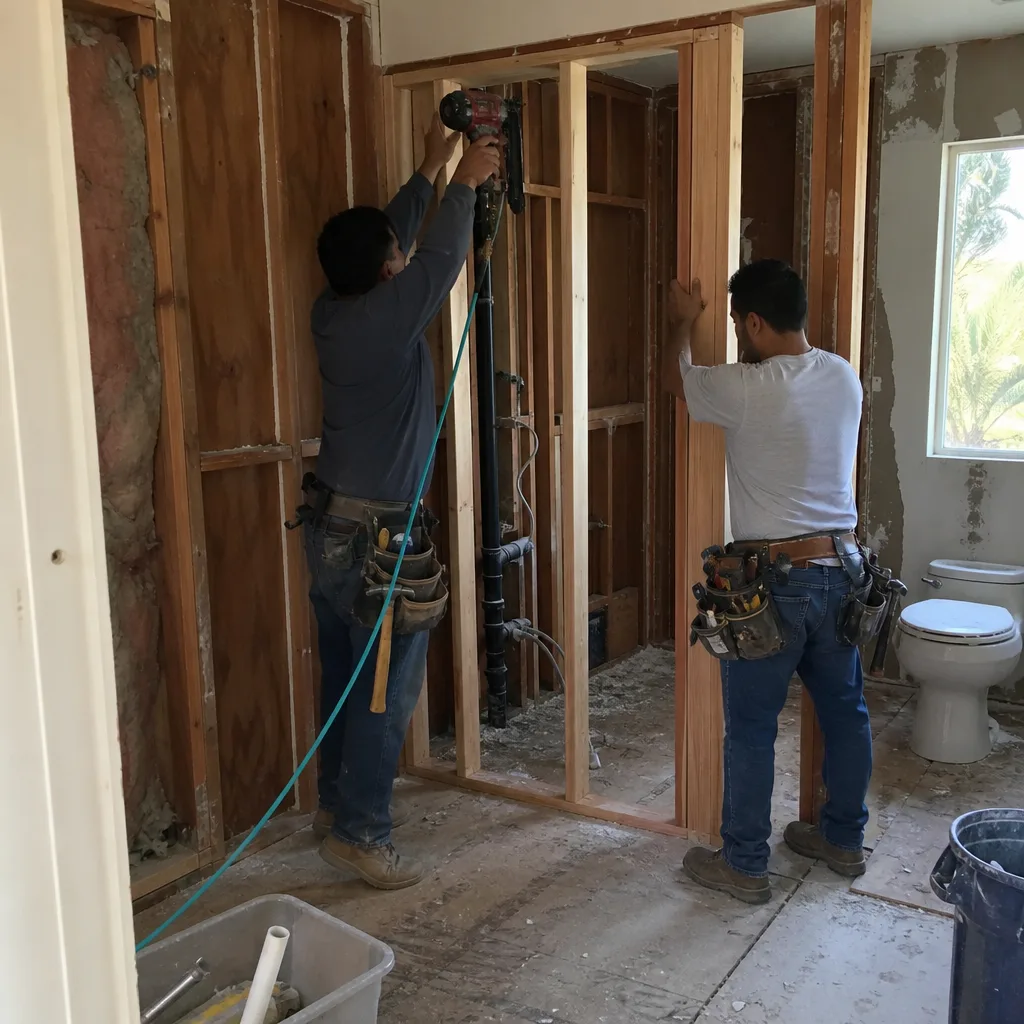
With verified licenses, comparable scopes, and reviewed contracts, the final decision often comes down to factors that resist quantification. Here’s how to weigh them without abandoning rigor.
Communication patterns during bidding: Did the contractor ask clarifying questions about your scope, or simply nod and promise? Did they respond to emails within a business day, or disappear for a week? The bidding period predicts the project period.
Documentation provided: Did they show you a photo record from a similar project? Did they explain their change order process with specific examples? Did they reference manufacturer installation requirements for your selected materials? Specificity signals competence.
Crew consistency: Will the person who sold the project supervise it? At Rowan Construction Group Mission Viejo, our background-checked, uniformed technicians are employees, not rotating subcontractors, and every visit generates a documented photo record included as standard, not an upgrade. The customer leaves with evidence of what was found and what was done.
Reference quality: Ask for three references from projects completed 12-24 months ago. Recent references are curated; slightly older references reveal how the contractor handles warranty claims and follow-up. Ask specifically: “Did the final price match the written quote? Were change orders clearly explained before you signed? Would you hire them again?”
Price matters, but price without scope context is meaningless. A contractor who delivers a complete, itemized bid with defined exclusions, a clear change order protocol, and documentation habits you can verify is offering something the low bidder may not: predictability.
Common Mistakes to Avoid
- Skipping the scope document: Homeowners who describe projects verbally receive bids that reflect each contractor’s assumptions, not the homeowner’s intentions. The result is three incompatible prices and inevitable conflict.
- Verifying license number but not classification: A C-36 Plumbing Contractor with an active license cannot legally manage your kitchen remodel. The license class must match the work.
- Accepting “allowance” without not-to-exceed language: Undefined allowances are budget time bombs. In Mission Viejo’s design-conscious market, homeowners routinely select materials that exceed placeholder amounts by 200%.
- Paying deposits beyond California’s legal limit: A contractor who requests 25% upfront is breaking the law before work starts. This predicts future problems.
- Ignoring insurance certificate dates: A COI from six months ago may reflect a lapsed policy. Always request current documentation.
- Failing to verify permit status at completion: Final payment before final inspection approval leaves you with open permits and no leverage for corrections.
- Choosing based on personality rather than process: A likable contractor with vague bids and verbal promises creates more stress than a reserved contractor with written documentation and disciplined protocols.
When to Call a Professional
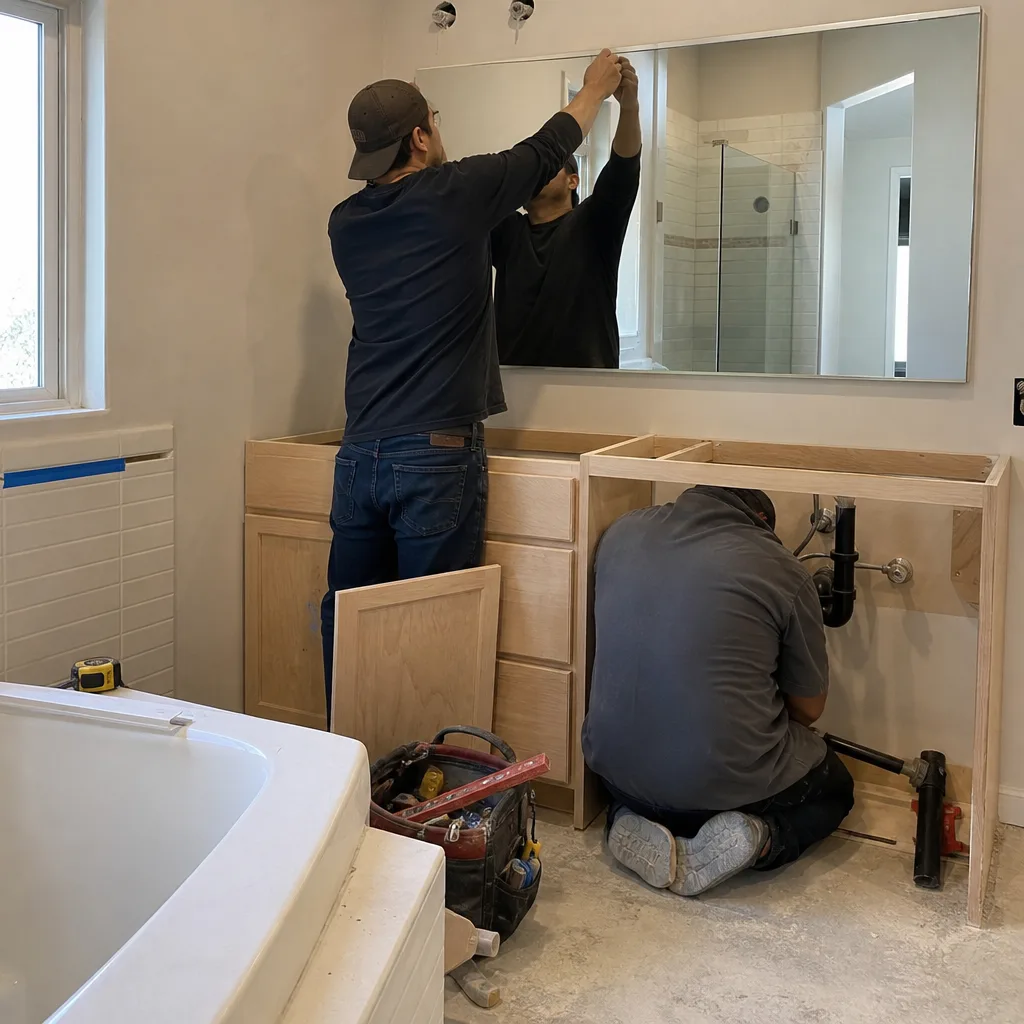
Some projects demand professional licensing and insurance regardless of your DIY confidence. In California, any structural modification, electrical panel work, gas line alteration, or plumbing behind walls requires a licensed contractor and city permits. Roofing on slopes exceeding 4:12 presents genuine fall risk. Foundation work in Mission Viejo’s clay soils requires engineering knowledge most homeowners lack.
Even for permitted projects, the homeowner’s role is project definition and decision-making, not execution. The effective homeowner knows what they want, documents it clearly, verifies who they hire, and holds them to the written agreement - explore more guides & resources to strengthen your project planning.
Rowan Construction Group Mission Viejo offers free estimates in Mission Viejo. Call (657) 297-4635 to schedule yours. We also provide a Free Second Opinion on any written estimate - bring a competitor’s quote and we’ll review it line by line at no charge, because an informed homeowner makes better decisions, and better decisions lead to better projects.
Frequently Asked Questions
Project costs vary by scope, but typical ranges in Mission Viejo’s current market are: kitchen remodeling $35,000-$85,000, bathroom remodeling $18,000-$45,000, roofing $12,000-$28,000 for asphalt shingle on a standard home, and ADU construction $180,000-$350,000 depending on size and finish level. The critical factor is whether the bid includes permits, disposal, and all specified materials, or excludes items that will appear later as change orders. Call (657) 297-4635 for a written quote on your specific project - estimates are free.
For projects involving two or more unrelated trades, such as kitchen remodels, bathroom remodels, home additions, and ADUs, a B-General Building Contractor license is required. Single-trade projects may use specialized licenses: C-36 for plumbing, C-10 for electrical, C-39 for roofing. Verify active status, $25,000 bond, and workers’ compensation coverage at license.ca.gov. The license number should appear on every contract, advertisement, and proposal.
The price should not change for work within the written scope. Changes occur only for homeowner-requested modifications or concealed conditions discovered during construction, and only after a signed change order specifies the new work, price, and schedule impact. Under the Haven Standard, no work proceeds on a change until the change order is signed. This discipline has kept Rowan Construction Group’s projects within a few percent of the agreed price across 4,000-plus jobs.
Yes. Rowan Construction Group Mission Viejo pulls all required permits through the Mission Viejo Building Division, schedules inspections, and does not request final payment until final inspection passes. Homeowners should never accept a contract that makes permit pulling their responsibility or that suggests work proceed without required permits.
A full kitchen remodel in Mission Viejo typically requires 8-14 weeks from permit approval to final inspection, depending on scope complexity, custom material lead times, and inspection scheduling. Projects with custom cabinetry (KraftMaid or Wellborn with specialty finishes) add 4-6 weeks for manufacturing. We provide a written schedule with milestones before work starts, updated weekly with any changes documented in writing.
Compare tear-off specifications (how many layers removed), deck replacement terms, underlayment type, shingle brand and line (Owens Corning Duration, CertainTeed Landmark, IKO Cambridge, or Atlas StormMaster Slate are common in this market), flashing scope, and warranty terms. Mission Viejo’s inland heat affects shingle life; verify the selected product’s warranty covers the local climate zone. The bid should specify who handles permit and inspection scheduling.
An estimate is a rough projection, often verbal or briefly written, subject to change. A written quote is a fixed price with defined scope, materials, and terms, delivered before work starts. Rowan Construction Group Mission Viejo delivers written quotes, not estimates, because Clause 1 of the Haven Standard requires a written price before anyone picks up a tool. “Call for a quote” is not an option here.
The Bottom Line

Hiring a construction contractor in Mission Viejo is not about finding the lowest bid. It’s about creating a complete scope document, verifying license and insurance, reading bids for exclusions rather than totals, and selecting a contractor with documented processes for change orders, payments, and project records. The homeowner who masters scope comparison avoids the most common and expensive mistake in residential construction: discovering too late that the low bid was missing half the work.
We’ve built in Mission Viejo since 2007, delivering 4,000-plus projects with a written price before work started and a documented record when the crew left. If you’re planning a project, start with a free estimate. If you have a bid from another contractor, bring it for a Free Second Opinion - we’ll review it line by line, no charge.
Call (657) 297-4635 to schedule your free estimate with Rowan Construction Group Mission Viejo.
Written by Grant Rowan, Owner at Rowan Construction Group Mission Viejo, serving Mission Viejo since 2007.