
Last updated September 24, 2026
Free written scope consultation - allowances, timeline, and change-order rules on paper before a single trade is scheduled







 Before
 After
After Before
 After
After Before
 After
AfterSeasonal Construction Care for Mission Viejo: Year-Round Homeowner’s Guide
Mission Viejo receives roughly 90% of its annual rainfall between November and March, yet most homeowners here treat seasonal maintenance as an afterthought. The mild Mediterranean climate lulls us into complacency during the dry months, but that five-month concentrated rain window, combined with Santa Ana wind events that peak from September through November, accounts for the majority of preventable construction damage we document on home visits across Mission Viejo. In this guide, you’ll learn how to prepare for those two genuine high-risk seasons, what to inspect during the dry window, and how to build a maintenance log that protects your warranty coverage and resale value. For more guides & resources on protecting your home, see our blog.
Quick Answer
The Complete Guide to Construction in Mission Viejo shows that seasonal construction care here centers on two extreme weather windows: the Santa Ana wind season (September-November) and the concentrated November-March rainy season. Homeowners should complete exterior inspections and sealing in October, monitor concrete flatwork and irrigation systems during the April-September dry period, and document all findings in a dated maintenance log that supports warranty claims and resale documentation.
Table of Contents
- Why Mission Viejo’s Climate Demands a Different Approach
- Pre-Rainy Season Checklist: October Inspection Protocol
- Santa Ana Wind Preparation: Sealing and Documentation
- Post-Storm Inspection Protocol: Interior Water Intrusion Signs
- Dry-Season Tasks: April Through September Monitoring
- How to Build an Annual Maintenance Log
- Common Mistakes to Avoid
- When to Call a Professional
- Frequently Asked Questions
 Before
 After
AfterWhy Mission Viejo’s Climate Demands a Different Approach
The standard four-season maintenance calendar doesn’t fit Mission Viejo. We don’t have freeze-thaw cycles that shatter concrete. We don’t have humid summers that rot wood from the inside out. What we have is a prolonged dry season that bakes caulk joints and a brief, intense rainy season that finds every weakness those months created.
We’ve inspected thousands of homes in Mission Viejo since 2007, and the pattern is consistent. The homes that suffer damage in January were not damaged in January. They were damaged in August, when caulk dried and shrank, or in October, when gutters filled with ash from regional wildfires and the first Santa Ana winds peeled back flashing that was already loose. The rain simply revealed what the dry season had prepared.
This guide is organized around that reality. Instead of spring cleaning and winterizing, we focus on two high-risk windows and the monitoring habits that bridge them.
Key Weather Data for Mission Viejo Homeowners
- Annual rainfall: 13-15 inches, with 90% falling November through March
- Santa Ana wind season: September through November, with gusts regularly exceeding 50 mph
- Dry season: April through October, with relative humidity frequently below 40%
- Wildfire ash accumulation: Most significant August through October, clogging gutters and HVAC filters
- Typical home age in Mission Viejo: 1970s through 2000s tract construction with specific vulnerabilities we’ll address
Pre-Rainy Season Checklist: October Inspection Protocol
October is the critical month in Mission Viejo. The Santa Ana winds have begun but the heavy rains have not. This is when we perform our most important exterior inspections, and it’s the window we recommend homeowners use for their own pre-rain documentation.
Flat and Low-Slope Roof Sections
Much of Mission Viejo’s housing stock from the 1980s through the early 2000s includes flat or low-slope roof sections over garage additions, covered patios, or second-story wings. These areas fail more predictably than pitched roofs because water moves slowly and any obstruction creates ponding.
Here’s what to inspect and document:
- Cricket drainage: A cricket is the peaked diversion built behind chimneys or at roof junctures that directs water around an obstruction. On flat roofs, crickets are often too shallow or have settled. Look for standing water or staining at these junctures. Any ponding that remains 48 hours after a light rain (or after hosing the area) indicates inadequate slope.
- TPO membrane lap seams: Thermoplastic polyolefin (TPO) is the white single-ply membrane common on Mission Viejo flat roofs installed from the 1990s forward. The seams are heat-welded, and over time the weld separates or the membrane shrinks, pulling at the edge. Inspect for gaps, wrinkles, or areas where the white surface has grayed or cracked. A failed seam is a direct path to the substrate.
- Scupper and drain clearance: Flat roofs drain through scuppers (openings in the parapet wall) or interior drains. Both clog with debris. Clear them by hand, then run water through to confirm flow rate. A slow drain on a flat roof guarantees ponding, and ponding guarantees premature membrane failure.
- Parapet wall coping: The metal cap on top of parapet walls hides the membrane edge. If the coping is loose or the fasteners have backed out, wind-driven rain enters the wall cavity. Wiggle the coping; it should not move. Check the sealant at coping joints, which is often the first caulk to fail from UV exposure.
Gutter and Downspout System
Wildfire ash from August and September fires combines with dry-season dust to form a dense, cement-like layer in gutters. We’ve removed gutters in Mission Viejo that were 40% filled with this material. When the first heavy rain hits, overflow is immediate and water runs behind the gutter, rotting fascia and soffit.
Clean gutters by hand, flush with a hose, and confirm downspout flow at the discharge point. Many Mission Viejo homes have underground drains that connect to municipal storm systems; these back up with root intrusion or sediment. If water overflows at the downspout connection, the underground line needs clearing.
Exterior Caulk and Sealant Survey
We’ll cover caulk inspection in detail in the Santa Ana wind section, but the October check is your baseline. Photograph every joint you inspect. When you check again in April, you’ll have comparison documentation.
Santa Ana Wind Preparation: Sealing and Documentation
The Santa Ana winds are Mission Viejo’s most destructive weather event for exterior building envelopes. Sustained winds of 30-40 mph with gusts above 60 mph create positive pressure on windward walls and negative pressure (suction) on leeward surfaces. Any gap in the building envelope becomes a failure point.
We’ve responded to hundreds of wind-damage calls across Mission Viejo, and the majority involve water intrusion that occurred after the wind event, not during it. The wind opens the gap; the rain that follows days or weeks later completes the damage.
Window Flange and Stucco Penetration Inspection
Windows in Mission Viejo’s stucco-clad homes are installed with a nailing flange that sits behind the stucco. The critical seal is between the flange and the weather-resistive barrier (WRB, typically a building paper or housewrap), plus the sealant at the stucco-to-frame transition. Over time, this sealant fails from UV and thermal cycling.
A correctly applied joint has three components:
- Backer rod: A closed-cell foam cylinder pressed into the joint to control sealant depth. The sealant should never be applied at full joint depth; it needs a back surface to bond against, and the backer rod provides it.
- Sealant: A high-quality silicone or polyurethane applied over the backer rod, tooled to a concave profile so it stretches rather than tears when the joint moves.
- Proper width-to-depth ratio: The sealant width should be at least twice its depth, with a minimum 1/4-inch width for any joint.
A failed joint is easy to identify: the sealant is thin, cracked, or missing entirely, or it’s been applied as a surface bead without backer rod, which means it has no structural depth and will fail within one or two seasons. We’ve seen “repairs” where a homeowner or handyman simply smeared more caulk over the old, creating a sandwich of failed material that looks intact but seals nothing.
Documentation Protocol for Wind Season
Before Santa Ana season peaks, photograph every exterior joint at close range. Include a reference object or tape measure for scale. Store these with date stamps. If wind damage occurs, you have pre-event documentation for insurance and warranty claims. This is the same documentation protocol we use on every Roofing in Mission Viejo project, included as standard in our photo record deliverable.
Specific Vulnerabilities in Mission Viejo Construction
Homes in the Painted Trails and Canyon Crest areas, built on hillside lots with more complex roof geometries, experience amplified wind effects from terrain acceleration. We’ve documented wind pressures 20-30% higher at these elevations than in flat-land neighborhoods like Central Mission Viejo. If your home is on a ridgeline or exposed slope, increase inspection frequency and consider additional mechanical fastening at loose siding or trim.
Post-Storm Inspection Protocol: Interior Water Intrusion Signs
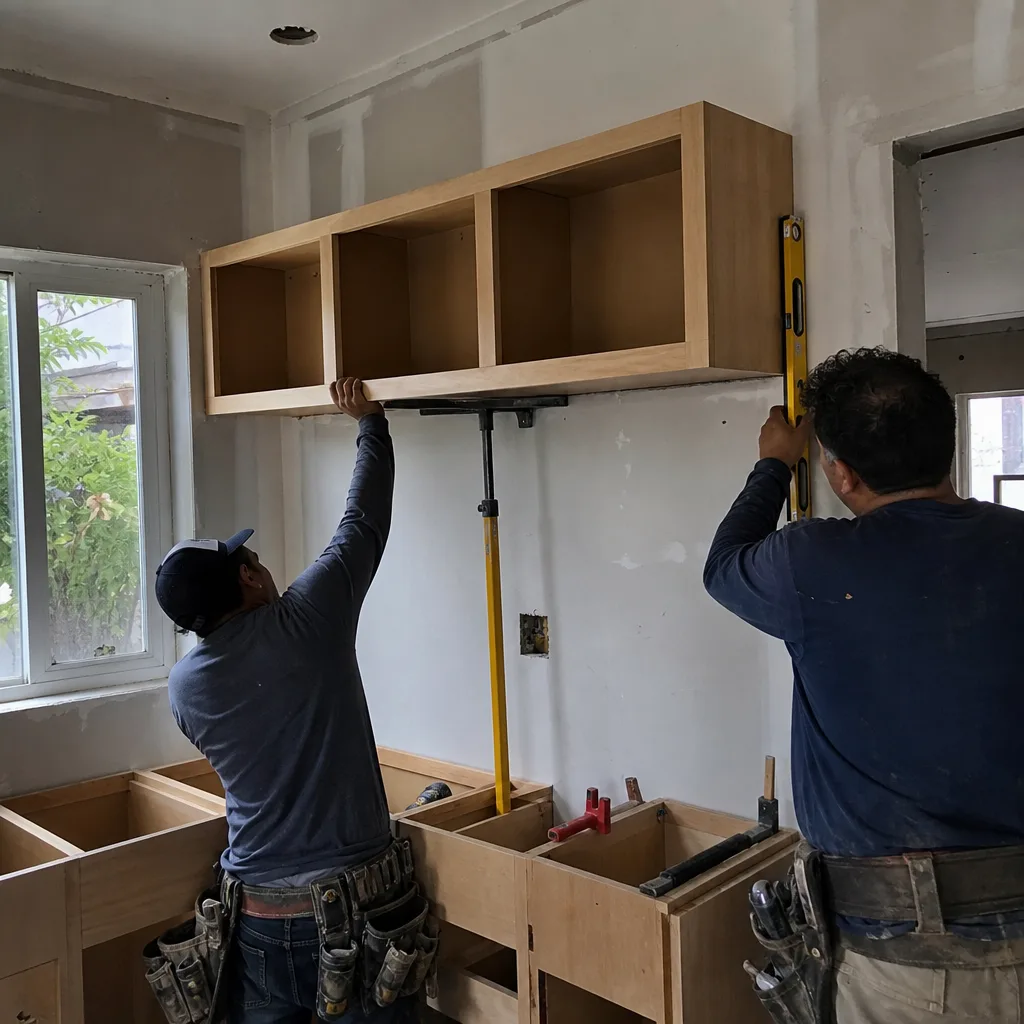
After any significant rain event or Santa Ana wind period, perform an interior inspection within 48 hours. Water intrusion signs are most visible when the material is still damp, and early documentation prevents secondary damage like mold growth or structural decay.
Room-by-Room Checklist
- Garage and utility areas: Check the base of exterior walls for dampness or staining. In Mission Viejo’s slab-on-grade construction, water enters at the slab-to-wall joint if the exterior grade is too high or the weep screed (the drainage gap at the base of stucco walls) is buried by soil or hardscape. Look for efflorescence, the white powdery deposit that forms when water moves through masonry and evaporates, leaving mineral salts behind.
- Kitchens and bathrooms: Inspect ceiling corners and cabinet bases on exterior walls. Kitchen Remodeling in Mission Viejo projects we’ve completed often reveal previous water damage concealed by prior renovations. Paint bubbling at wall-ceiling corners indicates moisture migration from roof leaks or wall penetration.
- Exterior door thresholds: Step firmly on the floor near exterior doors. Any deflection, springiness, or squeaking indicates subfloor moisture damage. Mission Viejo’s older homes often have particleboard subfloors that swell and lose structural integrity when wet. This damage is invisible until the flooring is removed.
- Window sills and jambs: Press the interior drywall or plaster below windows. Softness or discoloration indicates water entering at the window flange and running down the inside of the wall. We’ve found this condition in homes where the exterior caulk appeared intact but the flange seal had failed years earlier.
- Attic access: If you have a pitched roof with attic space, inspect the underside of the roof deck after rain. Staining, mold, or wet insulation are immediate concerns. Flat roof homes lack this early warning system, which is why exterior inspection is more critical for those structures.
Documentation for Warranty and Resale
Photograph every finding with date and location notes. If you engage a contractor, request their photos as well. Under our Haven Standard, every Rowan Construction Group visit includes a documented photo record as standard, not an upgrade. This creates a chain of evidence that supports warranty claims and demonstrates diligent maintenance to future buyers.
Dry-Season Tasks: April Through September Monitoring
The long dry season in Mission Viejo is not a maintenance holiday. Thermal expansion, UV degradation, and irrigation system pressure create distinct damage patterns that compound if unaddressed.
Concrete Flatwork Crack Monitoring
Concrete driveways, patios, and pool decks across Mission Viejo develop cracks from soil movement and thermal cycling. The critical question is whether the crack is stable or active.
Use a feeler gauge or simple ruler to measure crack width. Mark the measurement and date at the crack edge with permanent marker. Recheck in September. Any crack wider than 1/8 inch warrants evaluation, and any crack that has widened by 1/16 inch or more over the season indicates active movement that will accelerate. We’ve replaced concrete sections in Mission Viejo where homeowners ignored 1/4-inch cracks that became 3/4-inch gaps with subsurface voids, requiring full-depth removal rather than surface repair.
For Rowan Construction Group Mission Viejo home projects involving driveway and paver work, we specify Belgard and Techo-Bloc pavers with segmental installation that accommodates movement without cracking, but existing concrete requires monitoring.
Wood Fence Post Base Inspection
Wood fence posts in Mission Viejo fail at the ground line from a combination of irrigation spray and soil contact. The dry season accelerates this because homeowners increase irrigation frequency, and spray patterns shift with seasonal plant growth.
Inspect post bases for softening, fungal growth, or a gap between post and concrete footing (if present). A post that moves when you push it laterally has lost structural integrity. Replacement is straightforward before the fence leans; after lean begins, the entire panel distorts and repair costs multiply.
Irrigation System Pressure Check
High irrigation pressure creates misting that drifts onto hardscape and stucco, causing saturation damage that mimics rain intrusion. Install a pressure gauge at a hose bib downstream of your irrigation valve. Pressure above 60 psi indicates excessive force; most spray heads perform optimally at 30-40 psi. Pressure regulation is inexpensive and prevents the gradual moisture damage we’ve documented on hundreds of Mission Viejo exteriors.
HVAC Filter and Condensate Line Maintenance
Wildfire ash loads filters heavily in August and September. A clogged filter reduces airflow, causing evaporator coil freezing and condensate overflow. Check condensate drain lines for flow; algae growth in the dry season blocks lines that then overflow during the first humid period. The condensate pan should drain freely; standing water in the pan indicates a blockage that will eventually spill into the duct system or ceiling.
How to Build an Annual Maintenance Log
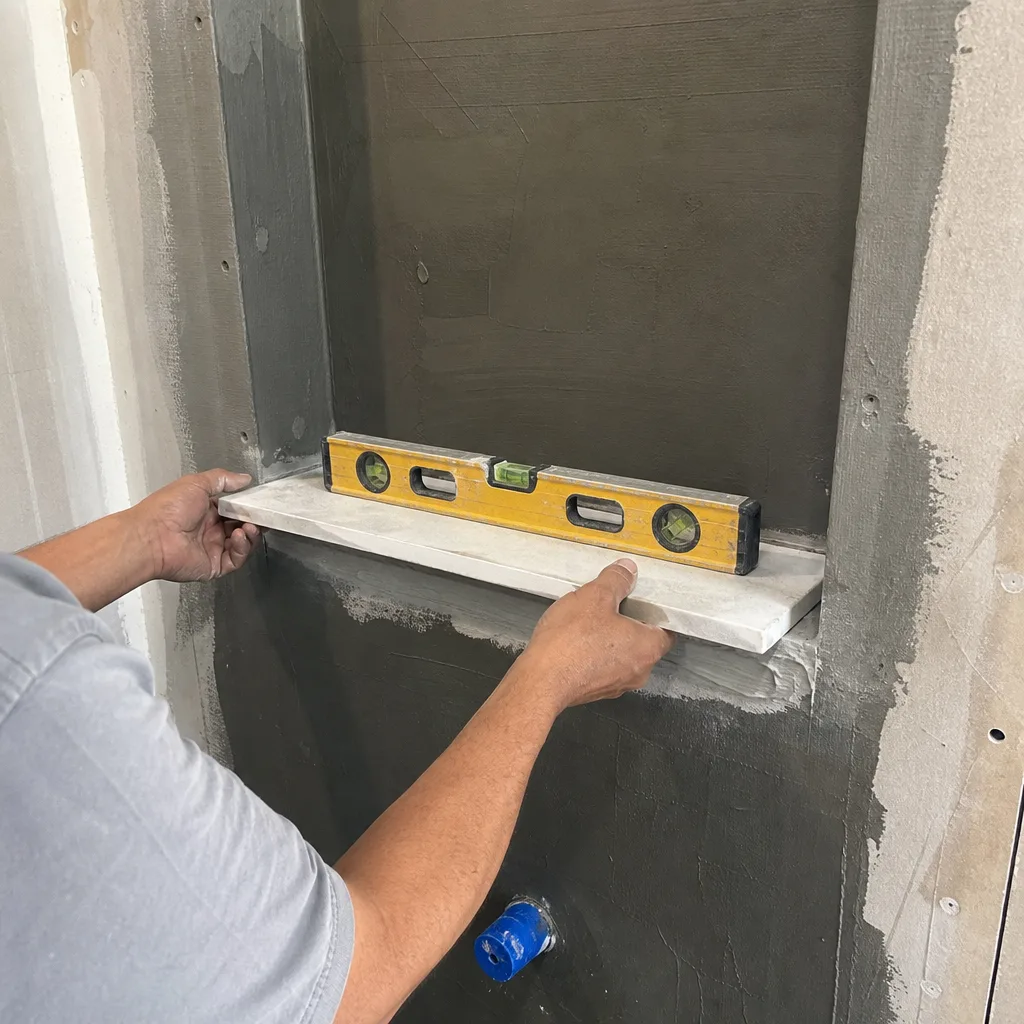
A maintenance log is not a suggestion. It’s a warranty protection tool and a resale asset. We’ve seen warranty claims denied for lack of documented maintenance, and we’ve seen homes sell faster when buyers receive a multi-year maintenance record.
Log Format
Use a simple spreadsheet or physical binder with these columns:
- Date: Exact date of inspection or maintenance action
- Location: Specific area or component (e.g., “flat roof over garage,” “south-facing window, second bedroom”)
- Finding: Objective description with measurements (e.g., “caulk joint at window flange cracked, 1/8 inch gap, 18 inches long”)
- Action taken: What you did, or “none – monitor” with next check date
- Contractor name and invoice number: If professional work was performed
- Photo file name: Cross-reference to dated photo files
Annual Cycle for Mission Viejo
- October: Complete pre-rainy season exterior inspection, gutter cleaning, caulk survey, roof documentation
- January: Post-storm interior inspection after first significant rain series
- April: Dry-season baseline – concrete crack measurements, fence post check, irrigation pressure test
- July: Mid-season check – HVAC filters, condensate lines, irrigation spray pattern verification
- September: Pre-Santa Ana inspection – repeat October items if not already done, focus on loose trim and mechanical fasteners
Store the log with your home’s other permanent records. When you sell, this documentation demonstrates diligence that buyers value and that supports your disclosure statements.
Common Mistakes to Avoid
- Applying sealant without backer rod: A surface bead of caulk looks correct but has no structural depth and will fail within one season. We’ve removed thousands of feet of this “repair” from Mission Viejo homes. Always use backer rod in joints wider than 1/4 inch.
- Ignoring flat roof sections: Homeowners with pitched main roofs often forget garage or patio flat roofs until interior staining appears. By then, the substrate is damaged and repair costs have tripled.
- Pressure-washing stucco: High-pressure water drives moisture through the stucco and damages the WRB. Use low-pressure washing with appropriate cleaners, or brush and rinse by hand.
- Planting against stucco walls: Soil contact with stucco traps moisture and provides termite access. Maintain 6-inch clearance between soil or mulch and stucco, and 2-inch clearance at slab edges for weep screed function.
- Skipping documentation: Without dated photos and measurements, you cannot prove when damage began or that maintenance was performed. Warranty claims and insurance disputes turn on this evidence.
- Delaying concrete crack evaluation: A 1/8-inch crack that grows to 1/2 inch indicates active soil movement that will eventually affect foundations. Early intervention with polyurethane injection or sectional replacement prevents escalation.
- Assuming new construction is maintenance-free: Even homes built in the last five years in Mission Viejo’s newer developments have experienced settlement, fastener back-out from Santa Ana winds, and premature caulk failure from the intense UV exposure in our climate.
When to Call a Professional
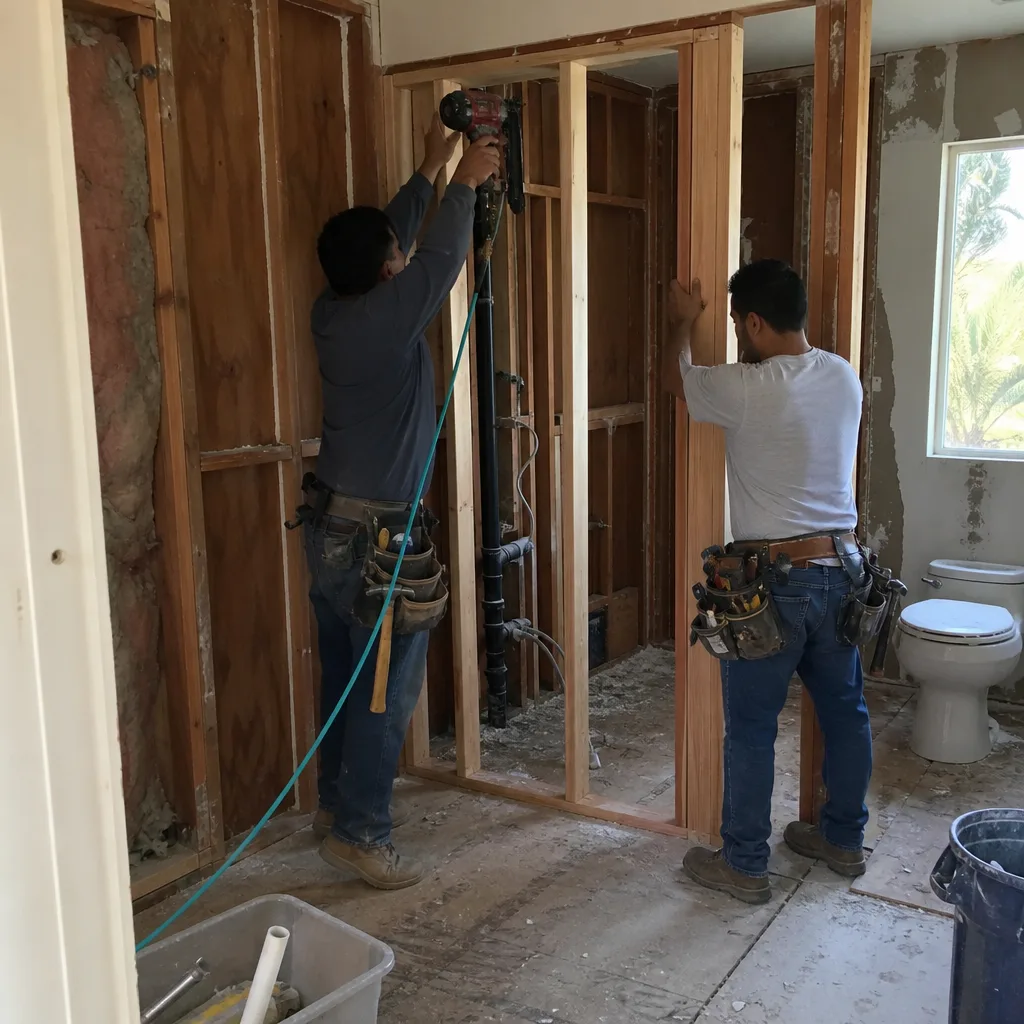
Some conditions require trained assessment. Call a licensed contractor if you find: standing water on any roof surface 48 hours after rain; cracks in concrete that have widened measurably over one season; soft or springy subflooring near exterior doors; efflorescence that reappears after cleaning; or any window or door that has become difficult to operate (indicating frame distortion from hidden moisture damage).
For roofing, window, or exterior envelope concerns, Rowan Construction Group Mission Viejo offers free estimates in Mission Viejo. Call (657) 297-4635 to schedule an inspection with a written scope and flat price before any work begins. Under Clause 1 of the Haven Standard, the price is always written before anyone starts.
Frequently Asked Questions
A professional roof inspection in Mission Viejo typically ranges from $150 to $350 for a standard residential property, with flat or low-slope sections adding $50 to $100 for membrane-specific testing. Rowan Construction Group Mission Viejo provides free estimates that include roof assessment when you’re considering repair or replacement work. Call (657) 297-4635 to schedule - estimates are free and include a written scope and flat price.
No. Under the Haven Standard, no work proceeds on a change until the change order is signed. This administrative discipline, which Haven acquired Rowan for in 2007, has kept our projects within a few percent of the agreed price across 4,000-plus jobs. The quote you receive is the price you pay, documented in writing before any work begins.
Construction Permits, Codes & Inspections in CA: What You Need to Know explains that permits are required for structural repairs, roof replacement, window replacement, and any work affecting the building envelope. Routine maintenance like gutter cleaning, caulk replacement, and inspection does not require permitting. If our inspection reveals work that requires permits, we pull them as standard practice and include the cost in your written quote. Inspections are scheduled and passed before we consider the job complete.
A thorough exterior inspection of a 2,000-square-foot Mission Viejo home takes 90 minutes to two hours, including photography and documentation. Interior post-storm checks add 30 to 45 minutes. We deliver the documented photo record within 24 hours of the visit.
We source across fifty-plus vetted brands to match project requirements and budget. For roofing, GAF and Owens Corning; for windows, brands selected by performance spec for each exposure; for exterior siding, James Hardie fiber-cement products where fire resistance and dimensional stability are priorities; for Bathroom Remodeling in Mission Viejo, Kohler and Toto fixtures with documented flow rates and finish warranties. The written quote specifies every brand and model, never “or equivalent” language that obscures what you’re buying.
TPO is white or light gray with heat-welded seams that appear as uniform ridges. Modified bitumen is typically black or dark brown with torch-applied or cold-adhesive seams that may show application patterns. Built-up roofing (BUR) has gravel surfacing. If you’re uncertain, photograph a small section and note the color and seam appearance. We identify membrane type during our free estimate visit and explain what that means for your maintenance schedule and expected service life.
The Bottom Line
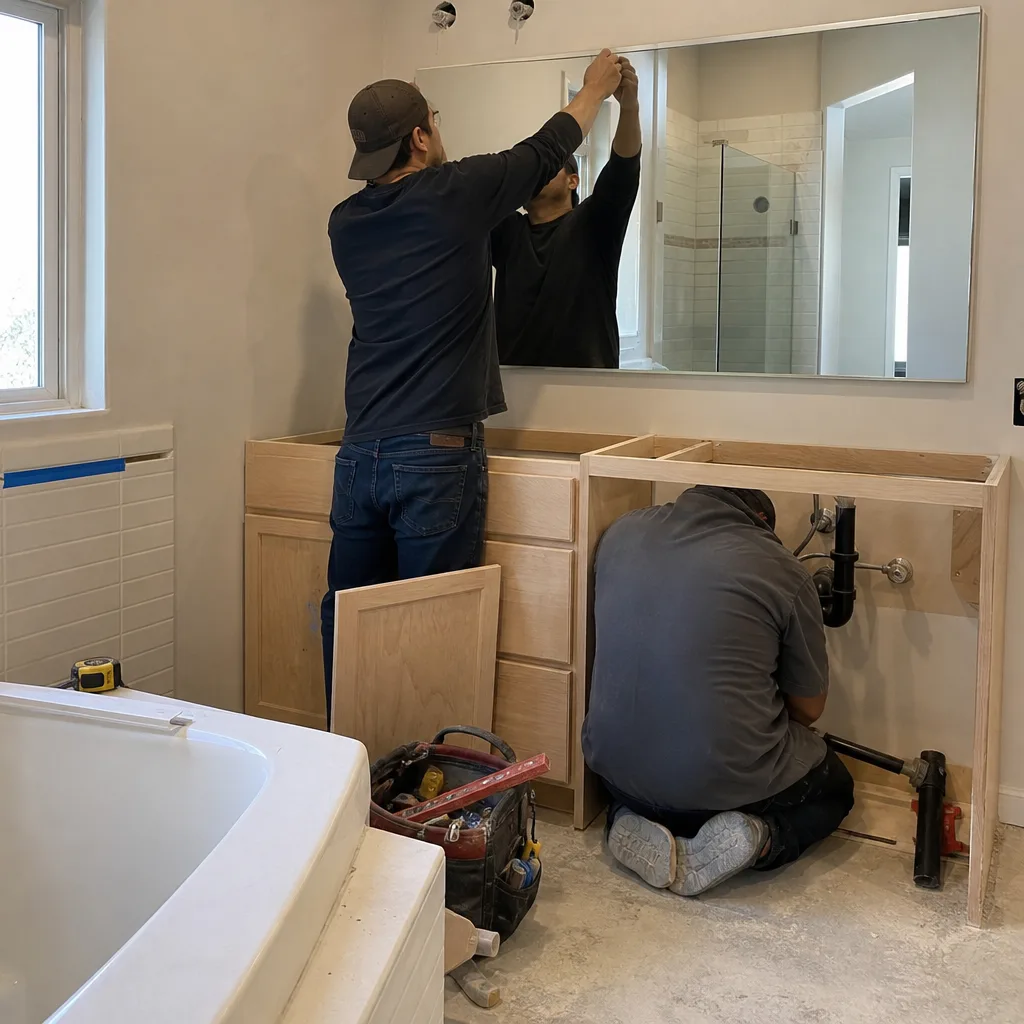
Mission Viejo’s mild climate hides two genuine risk periods: the Santa Ana wind season that opens envelope failures, and the concentrated November-March rains that exploit them. Effective seasonal construction care means inspecting and sealing in October, monitoring concrete and irrigation through the dry months, and documenting everything in a dated maintenance log. The homeowners who avoid costly repairs are not the ones who spend the most; they’re the ones who inspect systematically and act before small findings become large problems. See our Construction Cost Breakdown: The Mission Viejo Homeowner’s Reference for 2026 to plan your maintenance budget.
Written by Grant Rowan, Owner at Rowan Construction Group Mission Viejo, serving Mission Viejo since 2007.