
Free written scope consultation - allowances, timeline, and change-order rules on paper before a single trade is scheduled
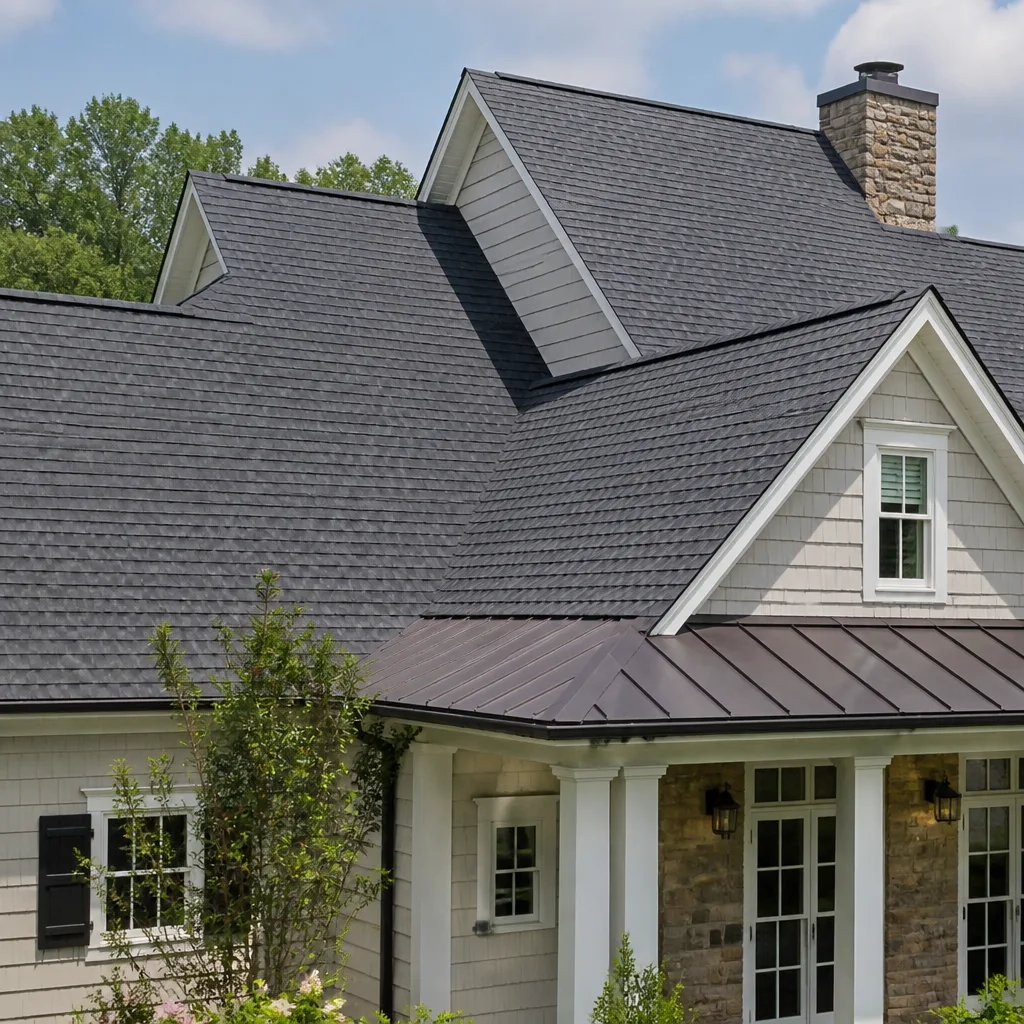
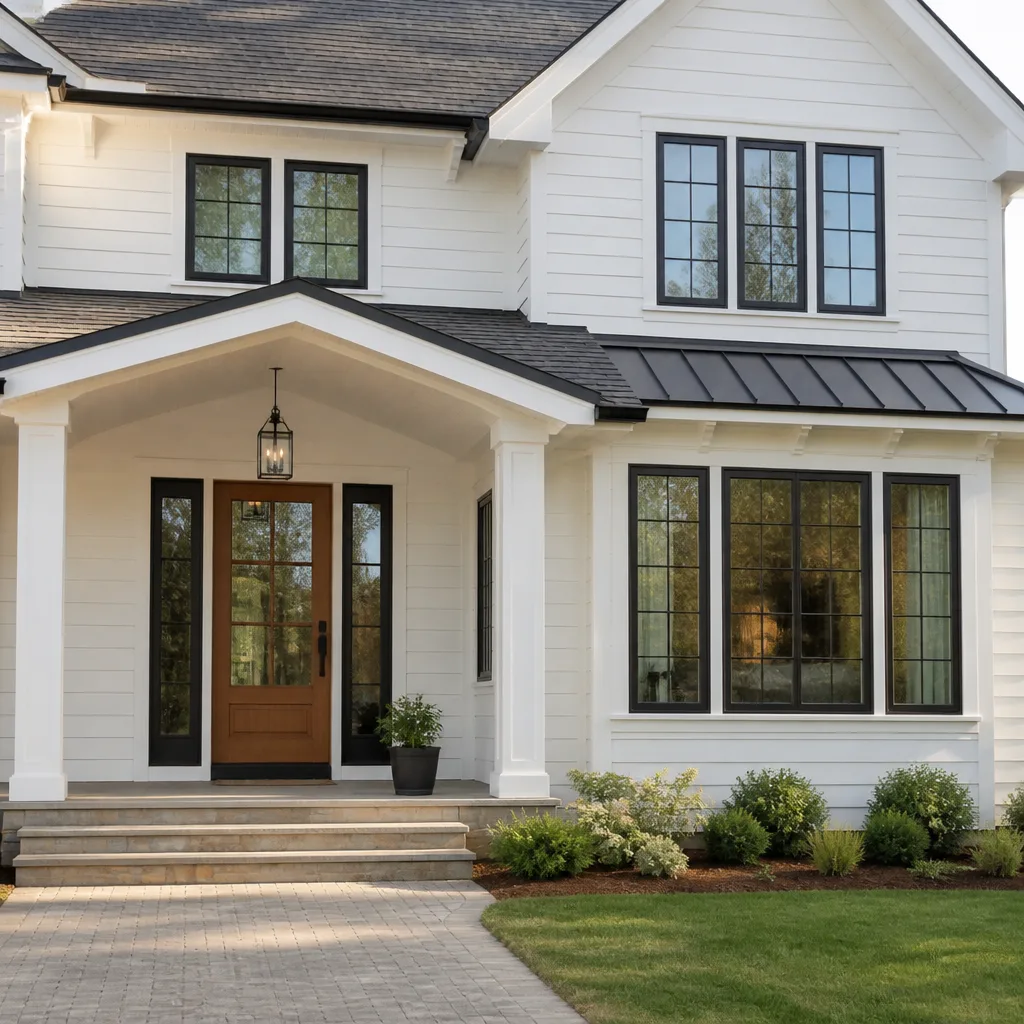
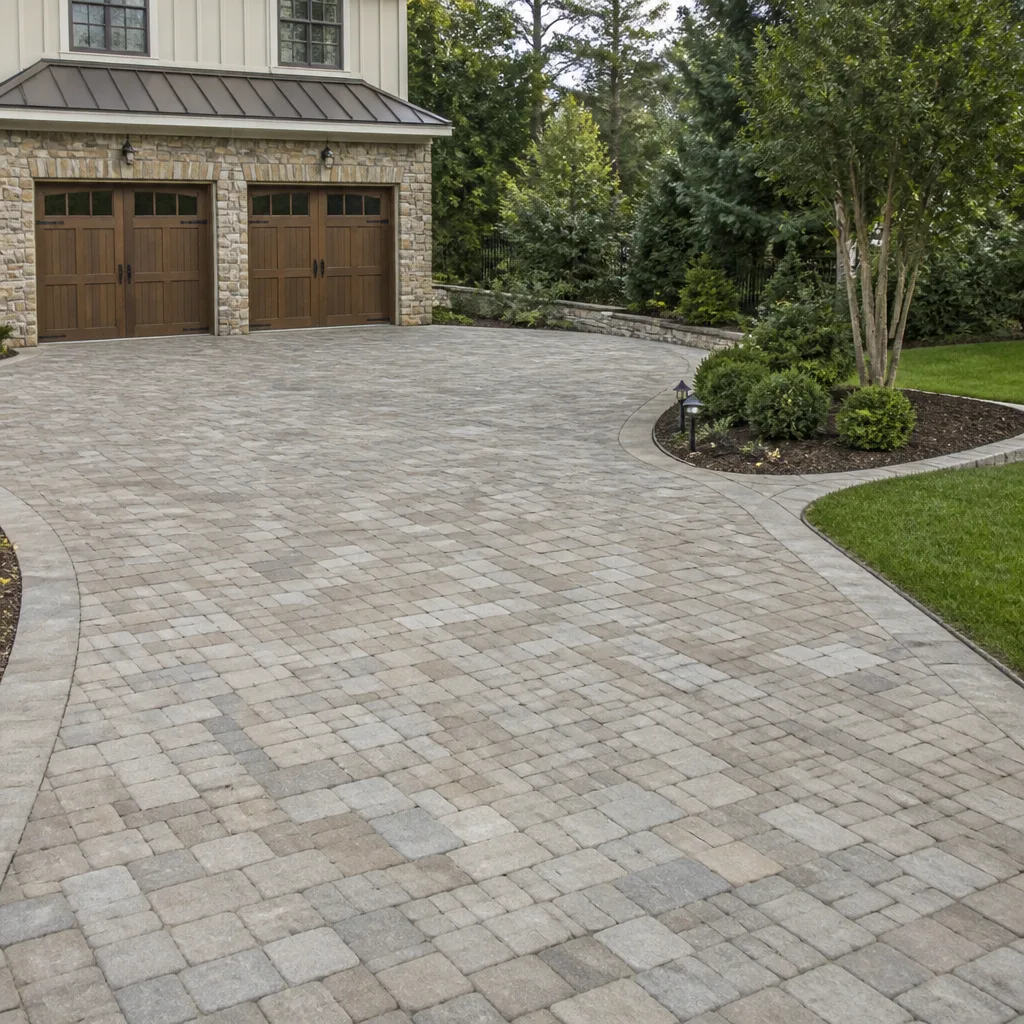
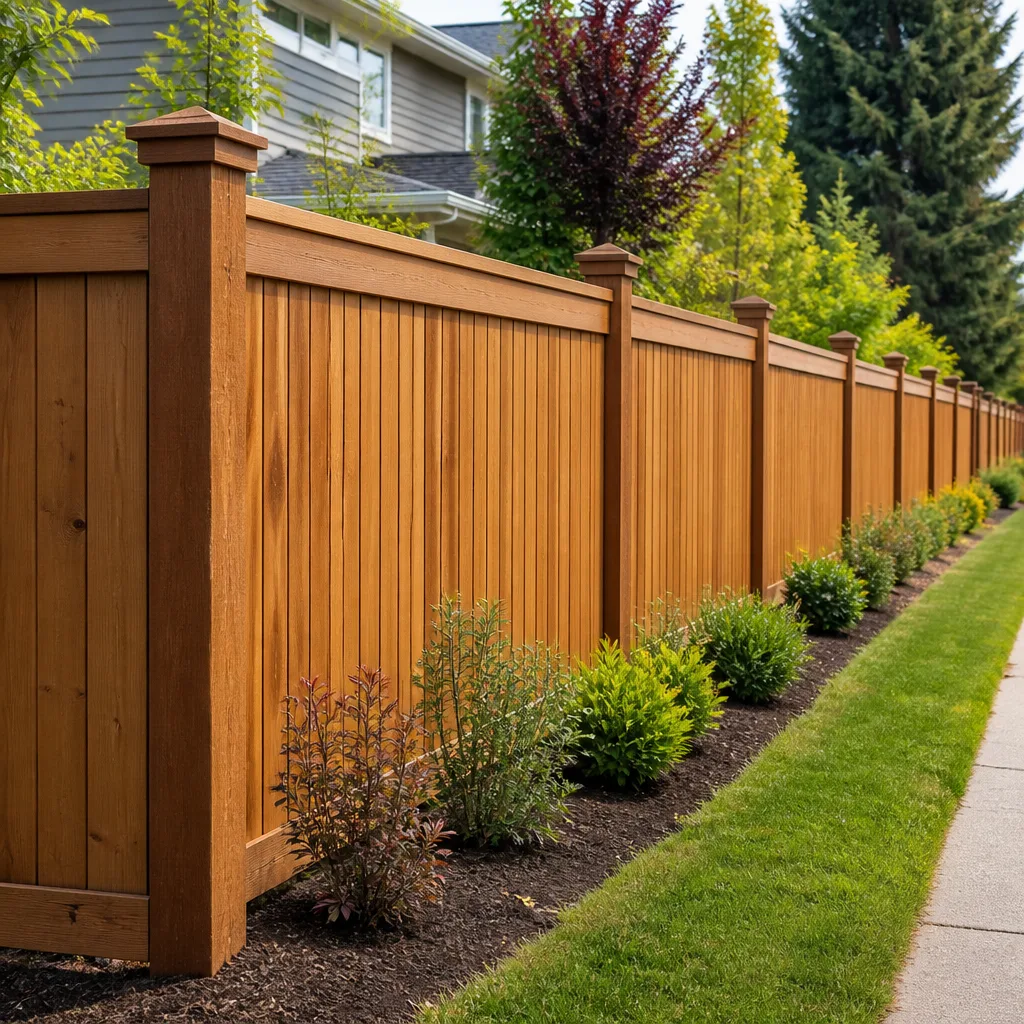
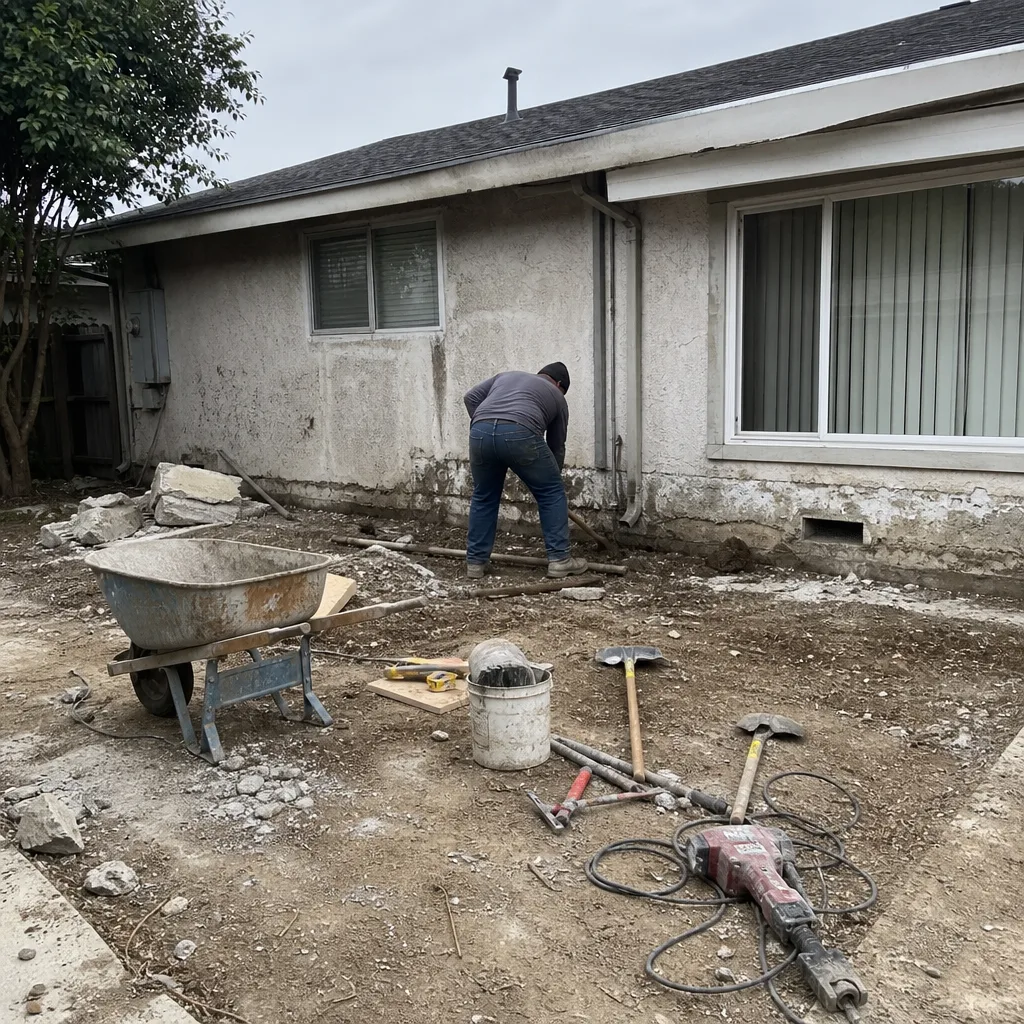 Before
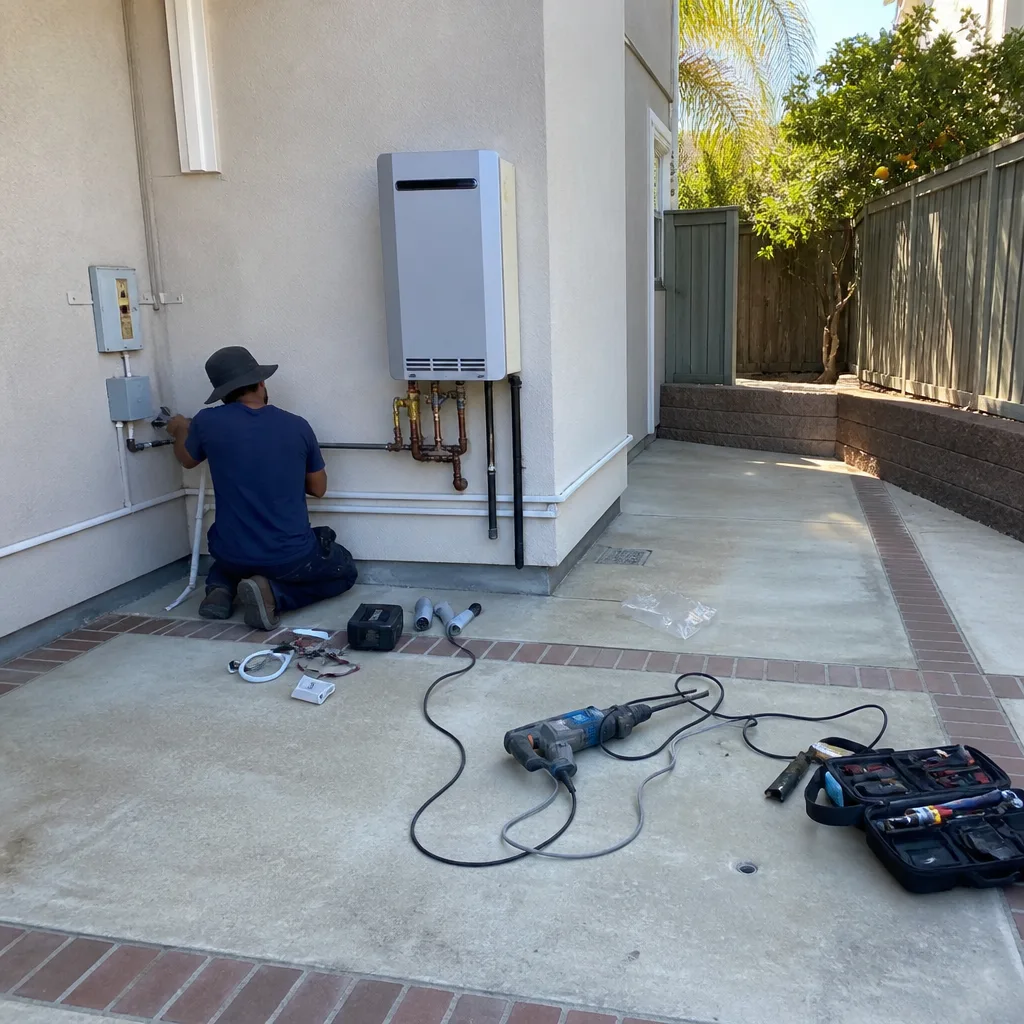 After
After Before
 After
After Before
 After
AfterHow Much Does Paver Patio Installation Cost in Mission Viejo?
Paver patio installation in Mission Viejo typically costs between $3,500 and $11,000, with most homeowners landing somewhere in the $5,500-$7,500 range for a standard 300-400 sq ft backyard patio using concrete or natural stone pavers. The final number depends on patio size, the paver material you choose, and whether the existing ground needs grading or a base rebuild before any stone goes down.
At Rowan Construction Group, every project gets a written flat price before anyone picks up a tool - no “call for a quote,” no range that balloons after demo starts. Under Clause 1 of the Haven Standard, the price is written before work begins, and no change proceeds without a signed change order. That discipline is how we’ve kept 4,000-plus projects within a few percent of the agreed number since 2007.
Paver Patio Installation Cost Breakdown (2026)
The table below reflects actual market pricing for Mission Viejo, CA as of 2026. These are installed costs - labor, materials, base prep, and basic drainage included - not material-only estimates.
| Project Type / Scope | Typical Installed Cost Range |
|---|---|
| Small patio (100-200 sq ft), concrete pavers | $3,500 - $5,000 |
| Mid-size patio (250-400 sq ft), concrete pavers | $5,000 - $7,500 |
| Mid-size patio (250-400 sq ft), travertine or slate | $6,500 - $9,000 |
| Large patio (400-600 sq ft), concrete pavers | $7,000 - $10,000 |
| Large patio (400-600 sq ft), natural stone or porcelain | $8,500 - $11,000 |
| Base rebuild / significant grading (add-on) | $800 - $2,500 |
| Demolition of existing concrete slab (add-on) | $600 - $1,800 |
| Drainage channel or French drain integration | $400 - $1,200 |
| Steps or low retaining wall (linear ft) | $85 - $175/linear ft |
| Sealing (applied after installation, per sq ft) | $0.75 - $1.50/sq ft |
A few things drive the spread in those numbers. Material cost is the biggest lever: a Belgard Mega-Arbel concrete paver runs roughly $4-$7 per square foot in material cost, while a tumbled travertine tile from a premium supplier lands closer to $9-$15 per square foot before installation. Techo-Bloc products, known for their dimensional consistency and cast-concrete density, sit in the upper-mid range and tend to need less cutting on complex layouts, which can offset some labor cost.
Labor in the Mission Viejo area runs $12-$20 per square foot installed for a standard concrete paver project. That figure includes excavation, compacted aggregate base (typically 4-6 inches of crushed stone), bedding sand, paver placement, edge restraints, and polymeric sand jointing. If the yard slopes toward the house - which is common in hillside neighborhoods like Casta del Sol and the parcels along Olympiad Road - drainage detailing adds time and cost. Grading work on those sites isn’t optional; it’s what keeps water from pooling against a foundation.
What Affects Paver Patio Installation Pricing in Mission Viejo
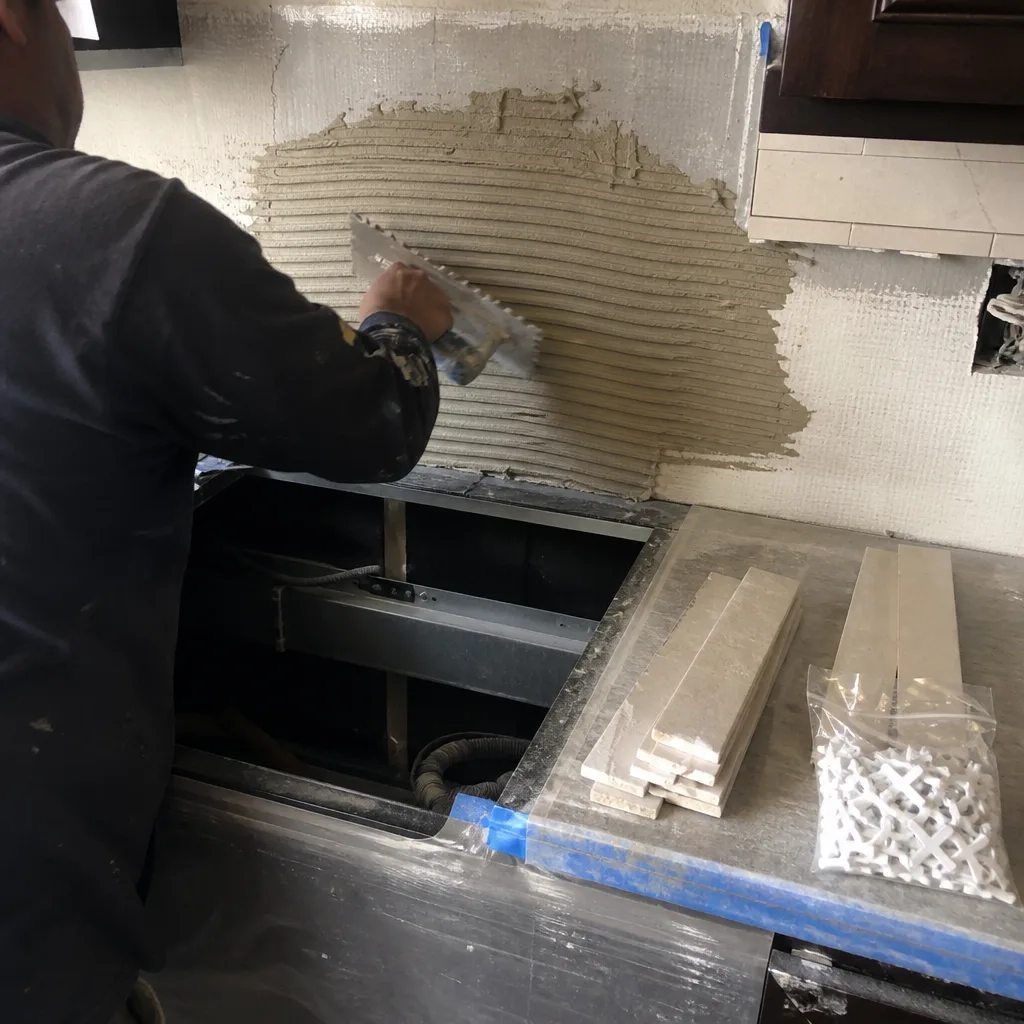
- Patio size and shape. Square footage is the primary cost driver, but shape matters almost as much. A simple rectangular patio minimizes cuts and waste. A curved or irregular layout - common in larger Mission Viejo backyards where homeowners want the patio to wrap around a pool or landscape bed - can add 15-25% to labor cost because each cut paver takes time and generates waste material.
- Paver material selection. Concrete pavers (Belgard, Techo-Bloc, or equivalent) are the most cost-efficient and the easiest to match if a section needs future repair. Natural travertine, slate, and large-format porcelain tile cost more per unit and require more careful base prep to prevent differential settling. In Mission Viejo’s mild but occasionally wet winters, a poorly prepped base under heavy porcelain will show lippage (uneven tile edges) within a season or two.
- Existing site conditions. Many Mission Viejo homes in the 1980s and 1990s builds have original concrete patios that need demolition before pavers go in. Breaking out and hauling away an existing slab adds $600-$1,800 depending on thickness and accessibility. Homes near Oso Creek Trail with sandy or decomposed-granite soil may need additional base depth to hit the compaction specs required for a stable sub-base.
- Slope and drainage. South Orange County has enough topographic variation that drainage is a real line item on most patio projects, not an afterthought. A flat backyard may need only a standard 2% slope-away-from-house pitch built into the paver bed. A yard that steps down toward a rear property line may need a channel drain or French drain integrated along the low edge, adding $400-$1,200 to the project cost.
- Access to the work area. Narrow side yards, gated communities with tight vehicle access, or second-story deck areas all affect how materials are delivered and how waste is removed. In some neighborhoods in Mission Viejo where homes sit on cul-de-sacs with limited truck access, crews carry materials by hand - and that labor time is real cost.
- Permit requirements. Most paver patio installations in Mission Viejo do not require a building permit when the patio is at grade, not attached to the house structure, and not exceeding certain square footage thresholds. Projects that involve retaining walls over 30 inches, changes to drainage flow, or structures attached to the house may trigger a permit requirement through the City of Mission Viejo’s Community Development Department. We identify this during the written estimate phase - before any work begins - so there are no surprises on permit fees.
 Before
 After
AfterMission Viejo-Specific Factors Worth Knowing
Mission Viejo sits at roughly 800-1,200 feet in elevation across its hillside terrain, and the soil profile in many parcels is a mix of clay and decomposed granite. Clay-heavy soil expands when wet and contracts in dry periods, which is why base preparation matters more here than in flatter coastal communities. A skimped base in a clay-soil yard shows up as wavy, settled pavers within two to three seasons. Our standard spec for Mission Viejo patio projects calls for a minimum 4-inch compacted Class II base, and we go to 6 inches where the soil assessment warrants it.
The city’s HOA landscape is also worth factoring in. A significant portion of Mission Viejo homes fall under CC&Rs that require architectural approval for hardscape changes. If your home is in a community governed by an HOA - such as those in the Casta del Sol senior community or the various sub-associations near Lake Mission Viejo - you’ll need to submit a Request for Architectural Change before construction begins. We’ve navigated this process on dozens of local projects and can help you understand what documentation is typically required, though approval decisions rest with your association.
Lake Mission Viejo’s proximity also means some rear yards face steep downslope conditions toward the water’s edge. These sites almost always require engineered drainage solutions and, in some cases, a geotechnical review. We flag these conditions during the initial site visit rather than after demo starts.
Paver Patio vs. Concrete Slab: Which Makes More Sense in Mission Viejo?
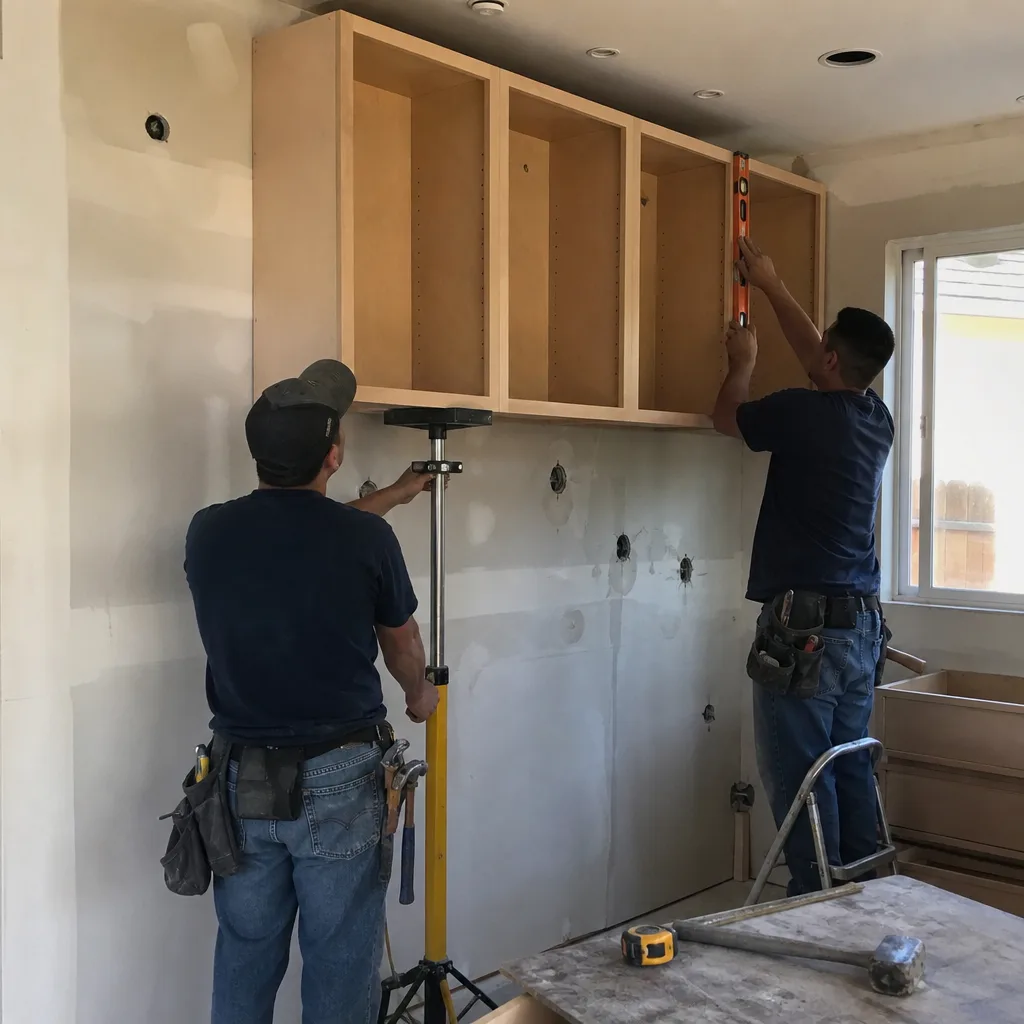
A poured concrete slab typically costs $4,500-$12,000 installed for a patio in the Mission Viejo market. On a per-square-foot basis, plain concrete is usually cheaper than pavers. But the comparison isn’t purely about upfront cost.
Pavers handle Mission Viejo’s soil movement better than poured concrete. When clay soil expands and contracts through wet and dry cycles, a poured slab cracks. A paver field flexes slightly and can be releveled or spot-repaired by lifting and resetting individual units, without breaking out a whole slab. For a 20-year cost-of-ownership view, a well-installed paver patio frequently outperforms a concrete slab in this climate.
Aesthetically, pavers give you texture, pattern, and color options that plain concrete doesn’t. And if you’re considering a Paver Patio Installation in Mission Viejo as part of a broader backyard project, pavers integrate more cleanly with landscaping than a poured slab edge does.
That said, for a purely utilitarian side-yard path or utility pad, concrete often makes more practical sense. We’ll tell you which is right for your site during the estimate - in writing, before any decision is made.
How to Save on Paver Patio Installation
There’s no version of a well-installed paver patio that’s cheap, and any quote that looks significantly below the ranges on this page deserves a close read of the scope. That said, there are real ways to manage cost without compromising the result.
- Right-size the project. A 200 sq ft patio done correctly is more useful than a 400 sq ft patio with a compromised base. If budget is a constraint, build a smaller patio to a high spec rather than a larger one with shortcuts. Pavers can be extended later; a failed base has to be dug out and rebuilt.
- Choose concrete pavers over natural stone. Belgard and Techo-Bloc concrete pavers in the $4-$7/sq ft material range perform well in Mission Viejo’s climate and are available in a wide range of profiles. The cost difference between concrete and travertine on a 350 sq ft patio can be $2,000-$4,000 in material cost alone.
- Avoid mid-project changes. Every scope change after work starts costs more than it would have on the front end - cutting, additional material orders, schedule disruption. The signed change order process at Rowan exists specifically to make this visible before it happens, not after. Finalize your layout, edge treatment, and step design before demo begins.
- Bundle with an adjacent project. If you’re also considering a driveway paver project, a fence line, or other hardscape work, mobilizing crews for multiple trades in a single visit cuts overhead cost. We regularly coordinate multi-trade projects under one written scope.
- Get a second opinion on any written estimate. Rowan’s Free Second Opinion offer is standing and genuine: bring us any written estimate from a competitor and we’ll review it line by line at no charge. This works in both directions - if a competitor is offering something we don’t, we’ll tell you.
For an exact written number for your specific yard, call (657) 297-4635. Estimates are free, the price comes in writing, and we can usually turn around an estimate within a few business days of the site visit.
What the Installation Process Looks Like
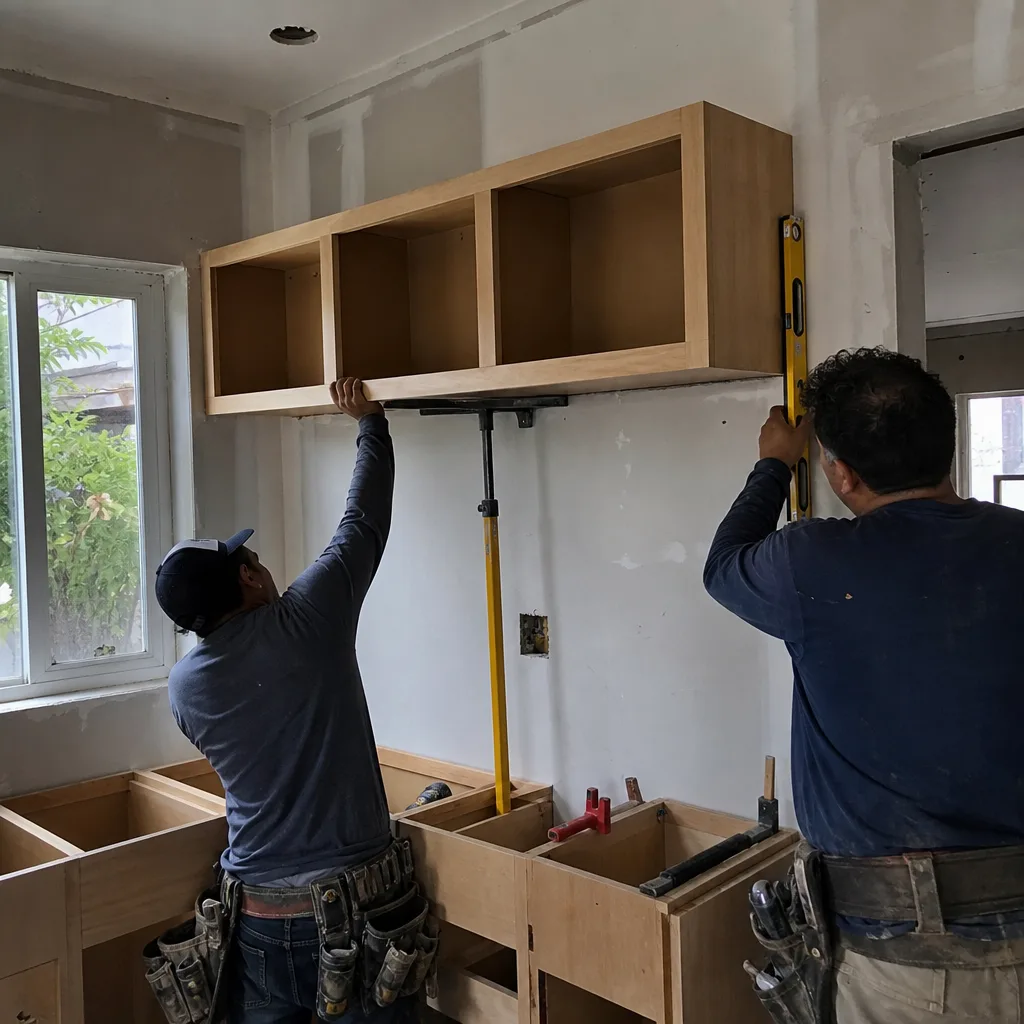
Understanding what actually happens during a paver patio installation helps you evaluate quotes more accurately and know what to expect from any contractor you hire.
1. Site Assessment and Written Estimate
We visit the site, assess the soil condition, measure the area, discuss layout and material options, and produce a flat written price with a detailed scope. You receive this in writing before any decision to proceed. No work starts without your signature on that document.
2. Permits and HOA Approvals (if applicable)
If your project requires a City of Mission Viejo permit or HOA architectural approval, we identify this at the estimate stage. Permit timelines vary; HOA approval timelines depend on your association’s review schedule. We build this into the project timeline, not around it.
3. Excavation and Base Preparation
Existing material is removed to the required depth, typically 8-10 inches below the finished paver surface to allow for base material and sand. The sub-base is graded for drainage pitch, then compacted Class II aggregate base is placed and compacted in lifts. This step is what separates a patio that lasts 20 years from one that needs releveling in three.
4. Bedding Sand and Paver Placement
A 1-inch layer of coarse bedding sand is screeded to a flat, consistent plane. Pavers are set by hand in the specified pattern, cut at edges using a diamond-blade wet saw, and checked continuously for level. Edge restraints are spiked into the compacted base to hold the field in place permanently.
5. Polymeric Sand and Compaction
Polymeric sand is swept into the joints between pavers and activated with water. This material hardens and locks the joints against weed intrusion and ant activity, while still allowing minor flex in the field. A plate compactor makes a final pass to seat the pavers firmly into the bedding sand.
6. Sealing (Optional but Recommended)
A penetrating or film-forming sealer protects the paver surface from oil stains, UV fade, and the mild efflorescence (mineral salt migration) that shows up on unsealed concrete pavers within the first year. Sealing adds $0.75-$1.50 per square foot but extends the interval between cleaning and re-sanding considerably.
7. Photo Documentation and Closeout
Every Rowan project closes with a documented photo record of the completed work delivered to the customer. This isn’t an upgrade or a premium feature - it’s standard. You leave with visual evidence of what was installed and how.
FAQs – Paver Patio Installation Cost in Mission Viejo
How much does a 300 sq ft paver patio cost in Mission Viejo?
A 300 sq ft paver patio in Mission Viejo costs approximately $5,000-$7,500 installed, using concrete pavers in a standard pattern on a properly prepped aggregate base. Natural stone or large-format porcelain at the same size would run closer to $7,000-$9,500. The range reflects material choice more than anything else at this size; labor cost per square foot stays relatively consistent. Call (657) 297-4635 for a written estimate specific to your yard and material preference - estimates are free.
Is a paver patio cheaper than poured concrete in Mission Viejo?
Poured concrete is typically $2-$5 per square foot less in upfront installed cost compared to concrete pavers at similar project sizes in the Mission Viejo market. On a 300 sq ft patio, that’s roughly $600-$1,500 less upfront. Over a 15-20 year horizon, however, pavers tend to be the lower-cost option in Mission Viejo’s clay-soil conditions because individual units can be releveled or replaced without full demolition when the base shifts. A cracked concrete slab in this climate almost always requires full replacement.
Do I need a permit for a paver patio in Mission Viejo?
Most ground-level paver patio installations in Mission Viejo do not require a building permit, provided the patio is not attached to the home’s structure, does not include walls over 30 inches in height, and does not alter drainage in a way that affects adjacent properties. Projects involving retaining walls, elevated structures, or significant drainage redirection may trigger a permit requirement through the City of Mission Viejo’s Community Development Department. We confirm permit applicability during the written estimate so the project scope is accurate before any work begins.
How long does paver patio installation take in Mission Viejo?
A standard 300-400 sq ft paver patio installation takes 2-4 days from mobilization to final compaction and cleanup. Larger projects, complex layouts with significant cutting, or sites requiring substantial grading work take longer. If HOA approval or a city permit is required, the pre-construction timeline extends accordingly, but the physical installation timeframe stays consistent once approvals are in hand.
What paver brands does Rowan Construction Group use in Mission Viejo?
We source from Belgard and Techo-Bloc as our primary paver suppliers for Mission Viejo projects. Both brands manufacture in dimensional specs that work well with Mission Viejo’s soil conditions and are available in profiles that complement the region’s Spanish-influenced and contemporary architecture. We do not exclusively spec one brand for all projects; the written estimate will name the specific product, color, and profile agreed upon so the quote has a fixed material spec rather than a range that can shift after you sign.
Can Rowan review a competitor’s paver patio quote before I decide?
Yes, at no charge. Rowan’s Free Second Opinion offer applies to any written estimate from any contractor. Bring us a competitor’s written quote and we’ll go through it line by line: base depth specified, material named or generic, drainage plan included or absent, edge restraint type, and warranty language (or lack of it). Most homeowners find the review clarifies what they’re actually comparing before they commit. Call (657) 297-4635 to schedule that review.
Why Homeowners in Mission Viejo Choose Rowan Construction Group
Grant Rowan founded this company in 2007 on a single operational principle: the customer knows the price before anyone touches a shovel. That’s not a tagline - it’s the reason Haven acquired Rowan and formalized it as Clause 1 of the Haven Standard. Across more than 4,000 projects, that discipline has produced a consistent result: finished costs within a few percent of the agreed price, backed by a signed change order for any deviation.
For a paver patio project in Mission Viejo, that means you receive a written flat price that names the paver product, the base depth, the drainage approach, the edge restraint type, and the warranty terms before you commit to anything. If a site condition discovered during excavation changes the scope, you see a written change order with the cost before we proceed, not after. The 365-Day Done Right Promise is printed on every project page and backed by terms, not a handshake.
We also offer the Free Second Opinion on any written estimate. If you’ve already received a quote from another Mission Viejo contractor, bring it to us. We’ll tell you what’s in it and what’s missing, and let you make an informed comparison.
Grant Rowan leads every project review process personally at the estimate stage, which is where most patio projects are won or lost: a scope that’s clearly written at the start rarely produces a surprised homeowner at the end.
If you’re researching paver options for your Mission Viejo home, the home page has a full overview of all seven trades we cover and how the written-price process works across each of them.
Key Takeaways
- Paver patio installation in Mission Viejo costs $3,500-$11,000 installed, with most standard projects landing between $5,000 and $7,500.
- Concrete pavers (Belgard, Techo-Bloc) are the most cost-efficient and most repair-friendly option for Mission Viejo’s clay-soil conditions.
- Base preparation depth - not the paver surface - is what determines how long a patio lasts in this climate. Ask any contractor what base depth they’re speccing, in writing.
- Most Mission Viejo patio installations don’t require a city building permit, but HOA architectural approval is required in many communities and should be secured before work starts.
- Every Rowan project comes with a written flat price before work begins, a signed change order for any scope change, a documented photo record at closeout, and a 365-Day Done Right Promise.
- A free written estimate and a Free Second Opinion on any existing quote are both available at (657) 297-4635.
Get a Written Estimate for Your Mission Viejo Paver Patio
If you’re ready to move from pricing research to a real number for your specific yard, call Rowan Construction Group at (657) 297-4635. We’ll schedule a site visit, assess the soil and drainage conditions, discuss material options, and deliver a written flat price with a full scope before any work begins. No obligation, no “call for a quote” vagueness. The estimate is free, and the price, when we give it, is in writing.
We serve Mission Viejo homeowners from Casta del Sol to the Oso Creek corridor, and we’ve installed paver patios on hillside parcels, lakeside lots, and everything in between. The quote will reflect your actual site, not a national average.
Pricing reflects the Mission Viejo market as of 2026. Rowan Construction Group Mission Viejo offers free estimates – call (657) 297-4635.
Written by Grant Rowan, Owner at Rowan Construction Group, serving Mission Viejo since 2007.
What Our Customers Say
"Driveway replaced properly with a base that will actually last. They explained why the cheaper quote was cheaper."
- Reggie O."They found an old septic line under the driveway run and stopped, documented it, and re-quoted before continuing."
- Xavier L."Final invoice was within two percent of the contract. Every change was priced and signed before anyone picked up a tool."
- Malcolm T.